

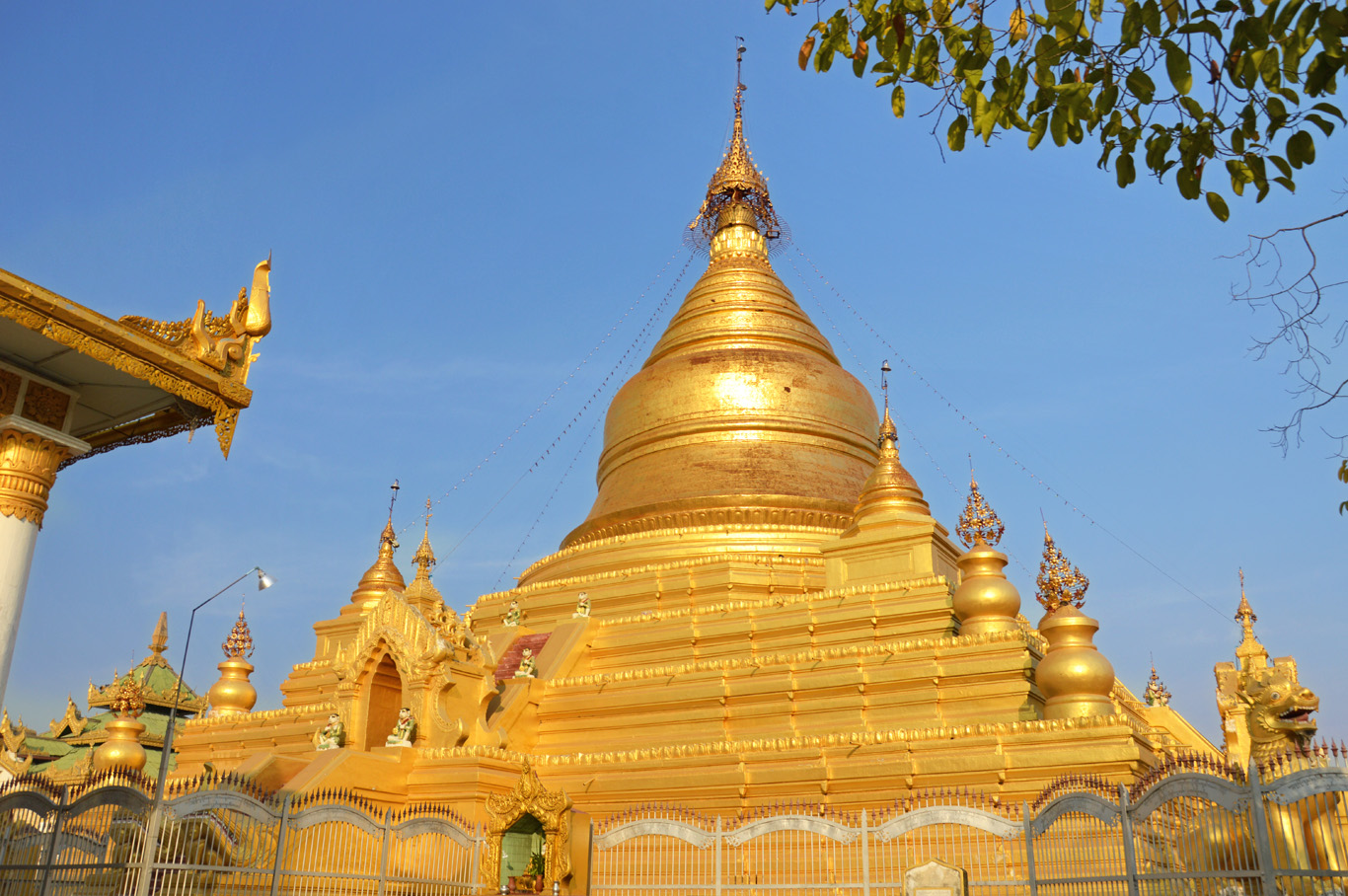
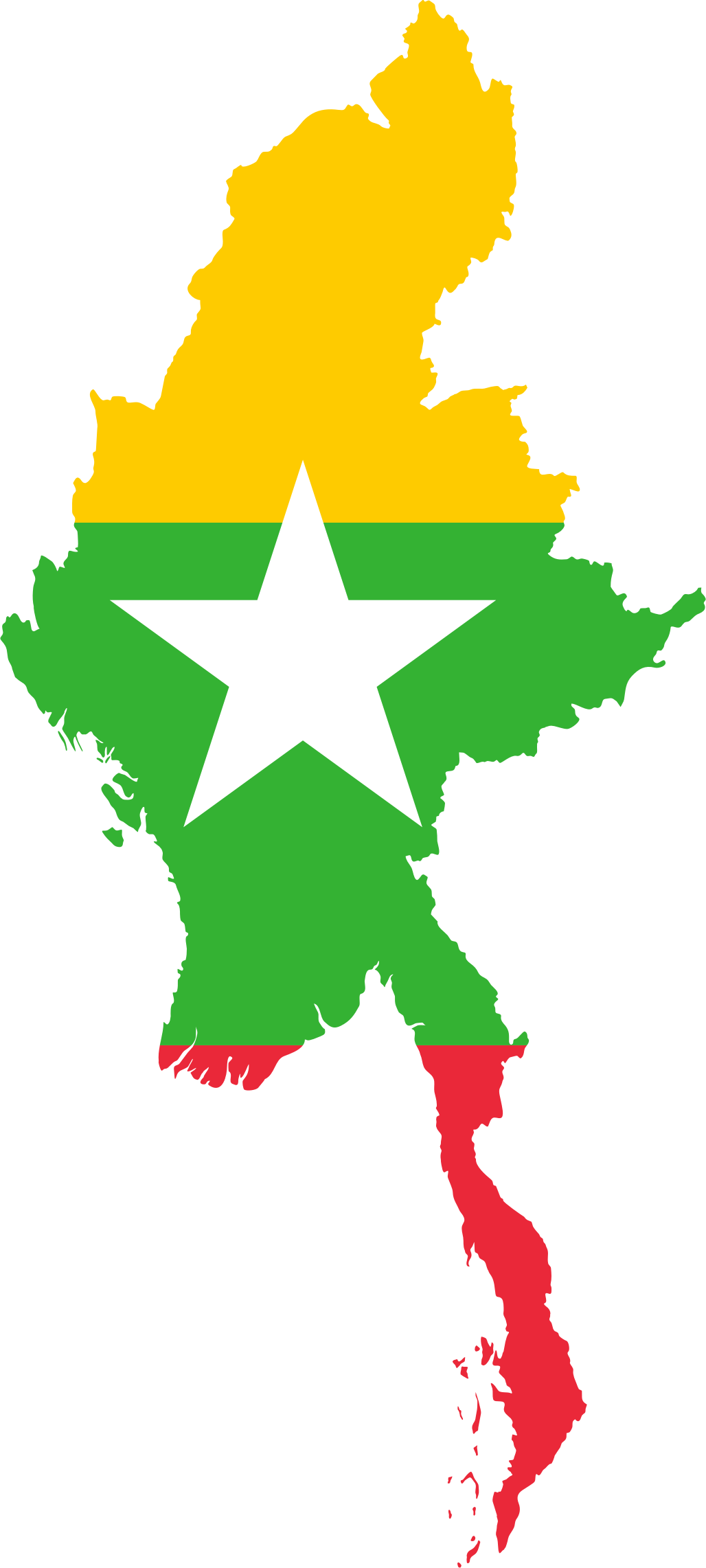
Mianmar (Birmânia)
Mianmar é o meu país favorito no sudeste da Ásia - dentre os que vimos até agora. É menos turístico, muito mais amigável que a Tailândia, não fomos vítimas de nenhum golpe e possui incríveis jóias arqueológicas de classe mundial, assim como Angkor Wat na Camboja.
Mianmar é semelhante à Índia, porém um pouco menos poluída (com exceção da terrível poluição do ar). Espere por uma grande aventura quando sair e viajar como os locais.
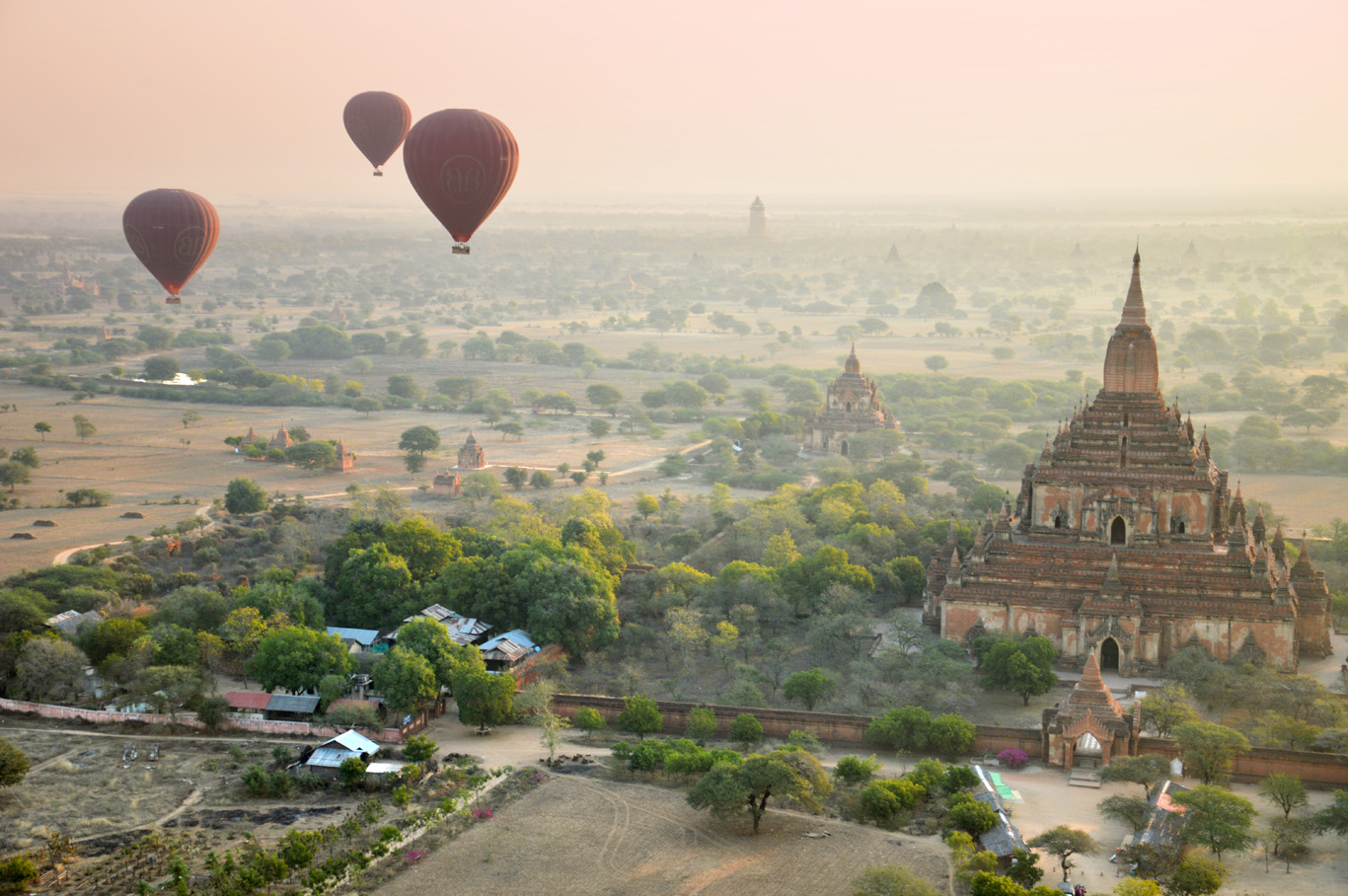
Visitamos a famosa Bagan, que foi incrível, e também fizemos o vôo de balão por lá, mas isso nos decepcionou um pouco (em breve vou escrever um post completo explicando o porquê). Também fomos a Yangon e Mandaly, que são completamente diferentes uma da outra. Em seguida, partimos em uma jornada louca para o Templo Pagoda Dourado de ônibus e nos perdemos quando passamos do ponto de ônibus certo. Dê uma olhada em nossas aventuras em Mianmar:

Mandalay is the second largest city (after Yangon) in Myanmar. Similarly to Yangon, it also used to be the country's capital and has retained the royal splendor until this day. Surprisingly, although Mandalay feels way older than Yangon, it was established as late as the 19th century. Nevertheless, even though the most popular pagoda in Myanmar (the Shwedagon Pagoda) is located in Yangon, I preferred the authentic feeling and the overall Burmese atmosphere of Mandalay. Less modern high-rise blocks, more spectacular temples, palaces and piece-of-art wooden buildings. Less organized, more messy, chaotic and hectic - but in the positive sense of the word.

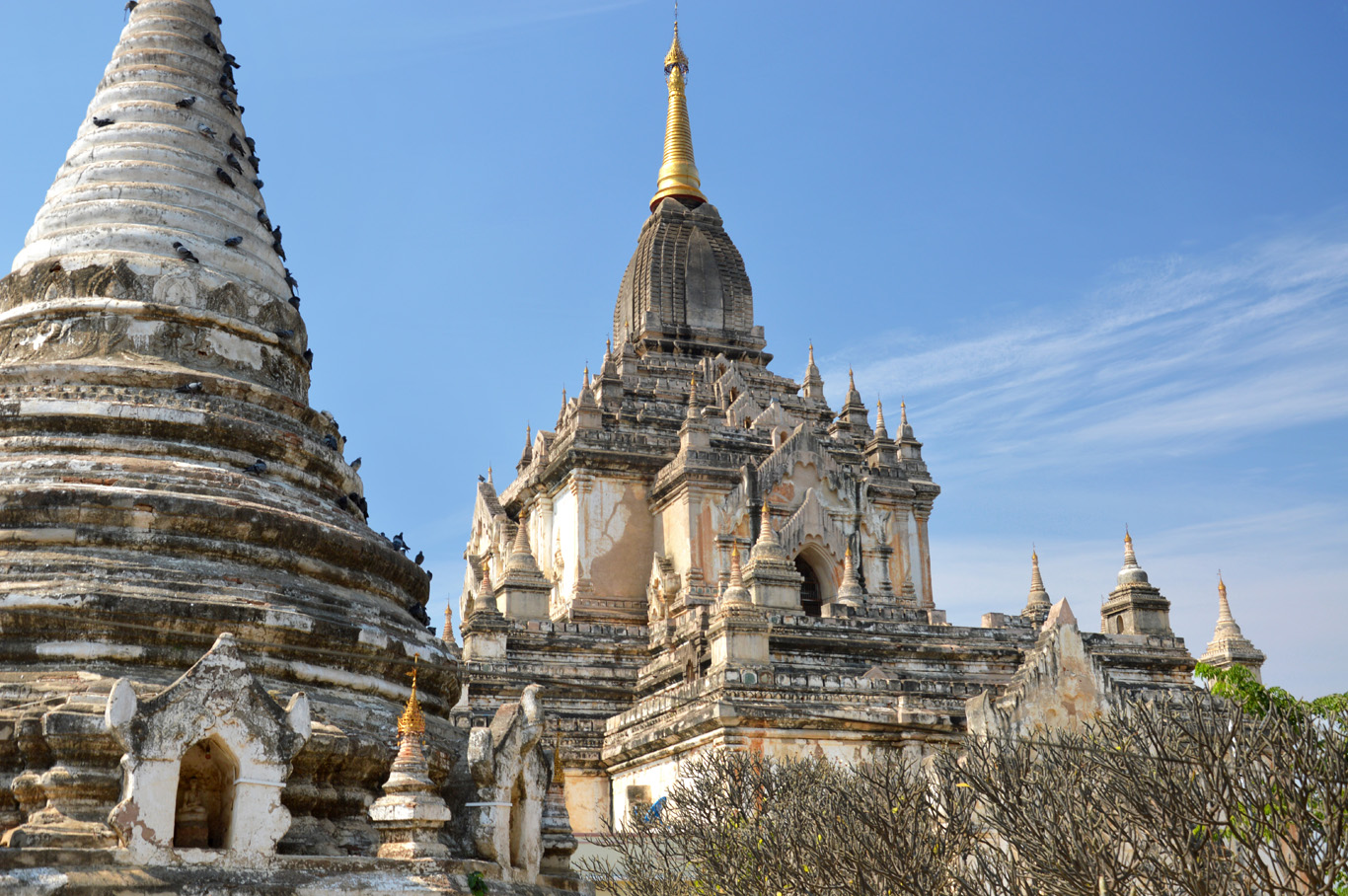
Old Bagan is one of the most famous archaeological sites in South East Asia. Often compared to the Angkor Wat Complex in Cambodia, Bagan was open to the tourists relatively recently. Although Myanmar is still regarded by some as an off the beaten path destination (for example, there are not that many foreign visitors in Mandalay or at the Golden Rock Pagoda), the magnificent temples of Bagan attract hundreds of travelers every day. Nevertheless, just like Angkor Wat, the pagodas in Bagan are spread around such an enormous area that you'll still feel the uniqueness and remoteness of this extraordinary site.

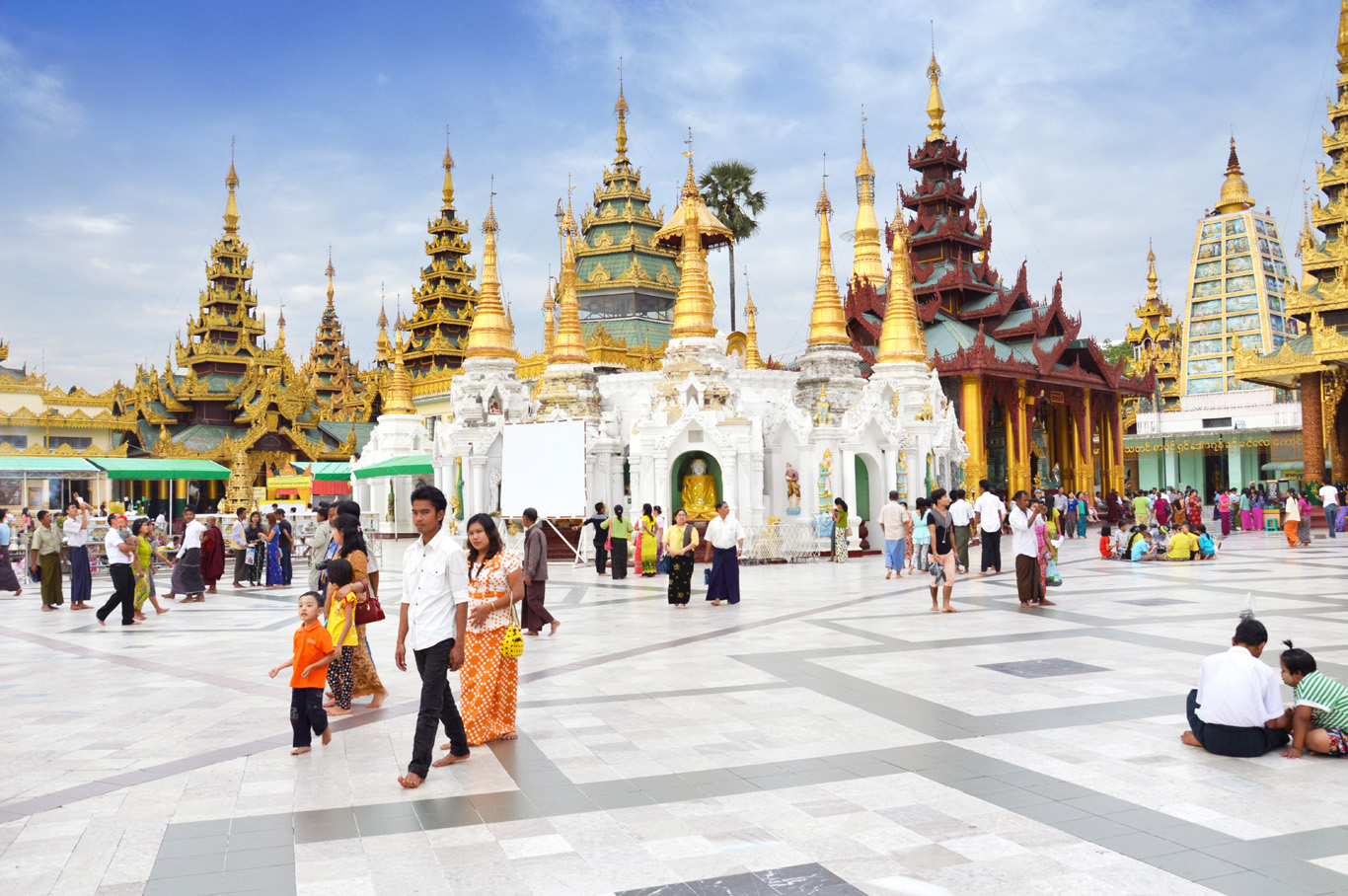
Yangon (or Rangoon), Myanmar's former capital is still the largest city in the country and important economic as well as cultural center. Comparing to Bagan, Mandalay or the rest of Myanmar, Yangon seems to be a really modern, culturally diverse metropolis with over 5 million inhabitants. You'll find Burmese, British and Chinese influences at every corner. Colonial buildings, pagodas, churches and Chinese markets are strewn around the center. Although the city is huge, you'll be able to see a lot in just one day - the most impressive monuments and sights (like Shwedagon Pagoda or Sule Pagoda) are within walking distance from one another.

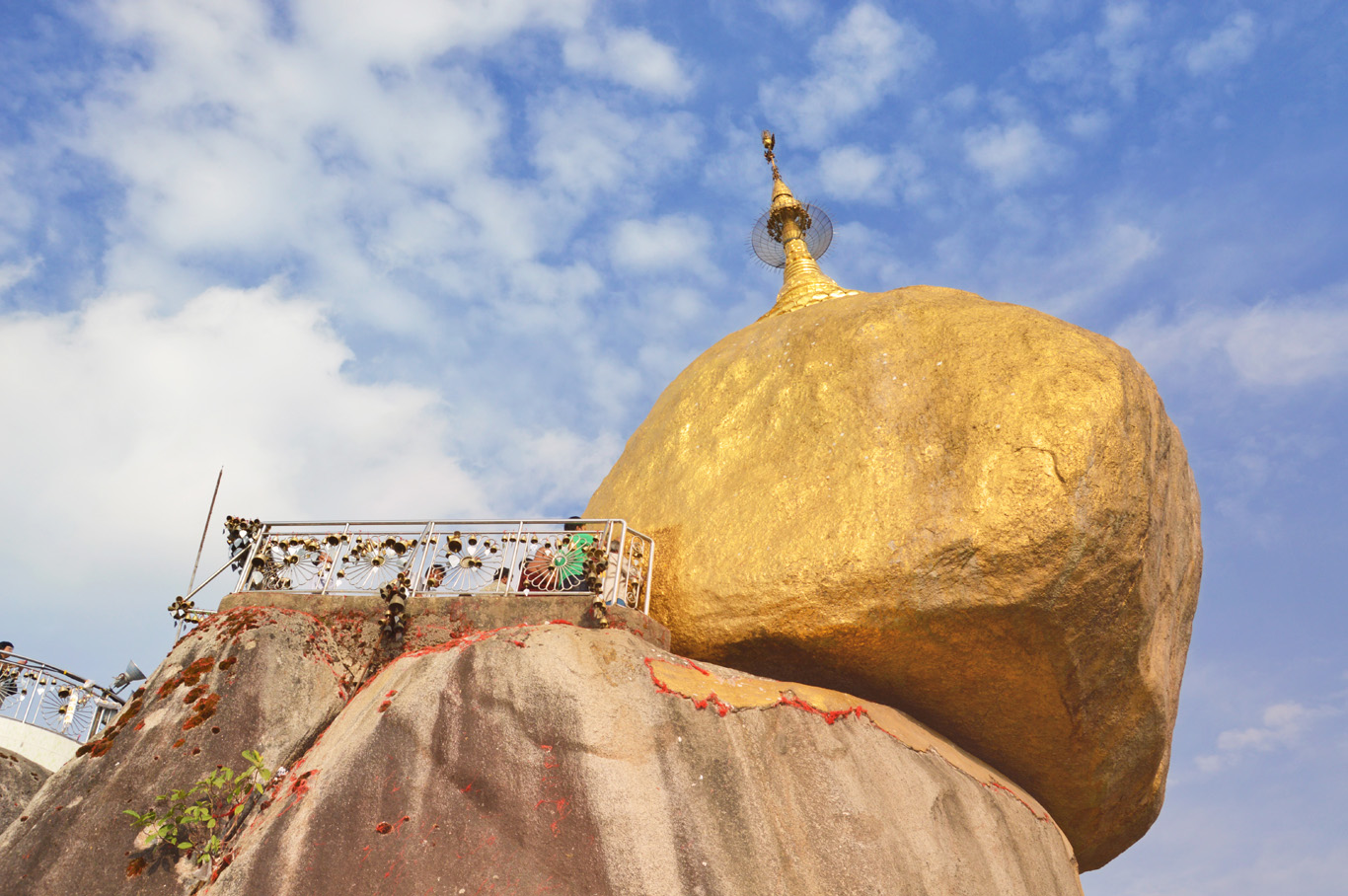
One of the most important religious sites in Myanmar, seemingly defying the law of gravity - Golden Rock Temple (Kyaiktio or Kyaikhteeyoe Pagoda), although quite famous, is surprisingly not as touristy as the other destinations in the country - Bagan, Mandalay or Yangon. There are good and bad sides to it. The good thing is that the authenticity of the place is still preserved (unlike the temples in Thailand) and you'll see many more locals than foreigners around. The bad thing - to get there without an expensive, privately run tour or a taxi is pretty complicated, the bus schedules are not clear and the level of English among the Burmese is very low. And... to be honest, the site is one of those that look absolutely spectacular in the photos, a bit less so in real life. Having said that, the whole journey was a great adventure, definitely worth the effort and it left some priceless memories in my mind.
Posts Em Destaque:
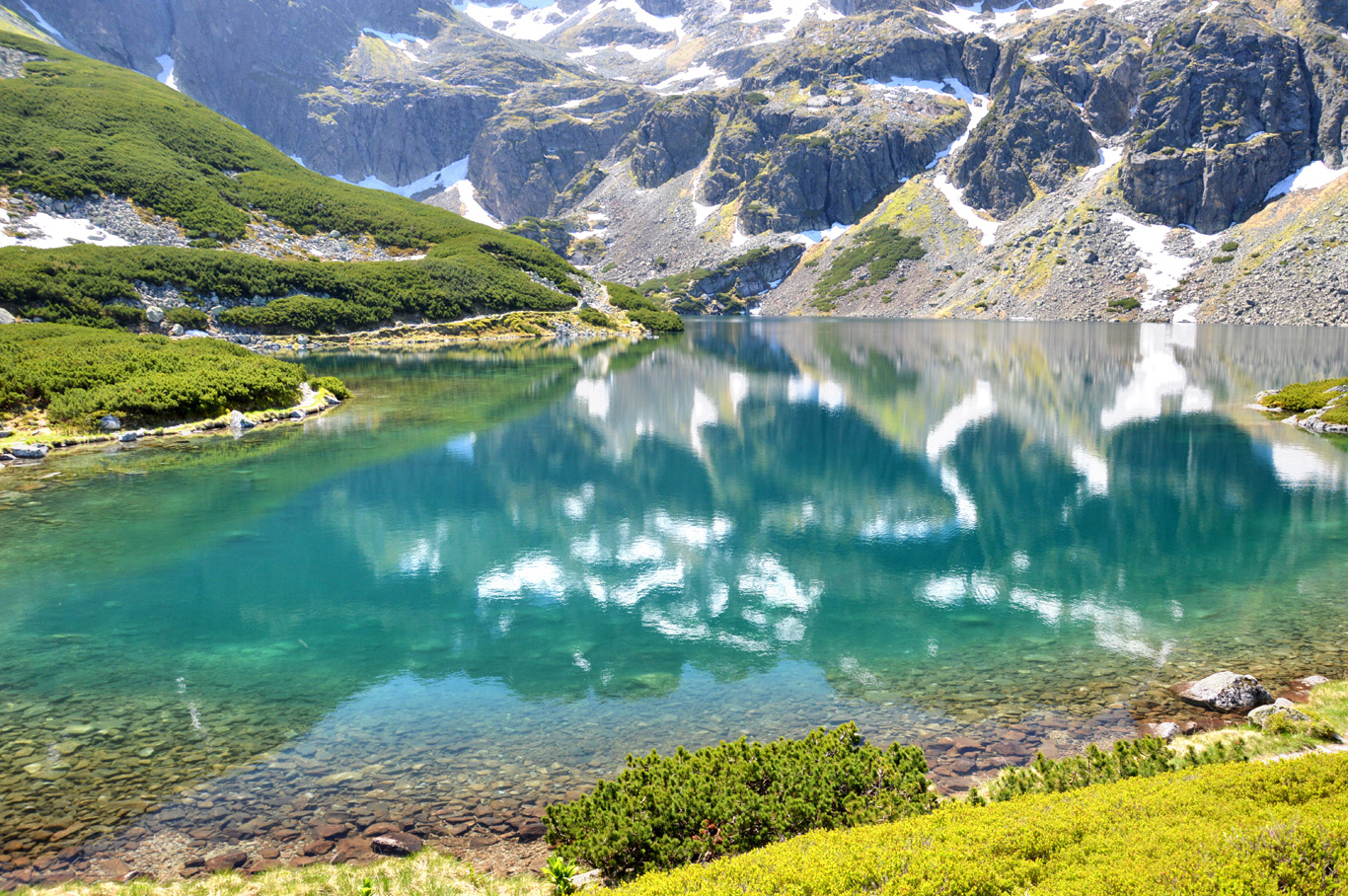
Many of the visitors coming to southern Poland and Krakow region end up in Zakopane - the little town located at the foot of the Tatra Mountains. Some hike (or take a horse cart ride) up the easy and quite boring trail to the most famous landmark in Polish mountains - Morskie Oko lake which is undoubtedly picturesque and beautiful, but so overcrowded that it can get really irritating.
In this post, I'll try to encourage you to leave Morskie Oko behind and venture into the real, wild beauty of the area. As usual, the most attractive and stunning views are awaiting those who are brave enough to take a risk and explore something beyond the beaten path. I've already described the trek to Dolina Pieciu Stawow which is way nicer than the one to Morskie Oko and now it's time to write about my favorite trail in the Tatras - to Swinica peak via the less known Dolina Gasienicowa (Gasienicowa Valley) and Zawrat saddle. This trail features not one but several crystal clear lakes of different shapes and colors, spectacular views - incomparable with those on the way to Morskie Oko and it's perfect for those who love adventure and adrenaline rush!

On the second day of the extraordinarily beautiful trek to Poon Hill, we left the cozy village of Ulleri at sunrise and headed uphill towards another village - Ghorepani. Ghorepani is located at the elevation of 2750 meters and it differs from other towns with the distinctive blue roofs and houses. It is also a gateway to the most important point of the trek - Poon Hill (around 3200 meters above sea level) which offers a spectacular, 360 degree view of the Annapurna range in the Himalayas. Especially stunning in March/April when all the wild rhododendrons blossom and cover the mountainous valleys in bright red colors.

Lake Kaindy in southern Kazakhstan is one of the newest and most unique natural wonders on our planet. Although literally unknown in the West, if it was located in any European country, it would be its best tourist attraction. Especially beautiful in the fall (autumn), Lake Kaindy boasts not only exceptionally attractive blue color of water and snowy rocky mountains surrounding it but also the unique, silver trunks of dead spruce sticking out of the lake's surface. The "flooded forest" is indeed one of the natural landmarks of Kazakhstan. It all creates a fairy-tale like scenery, not seen anywhere else.
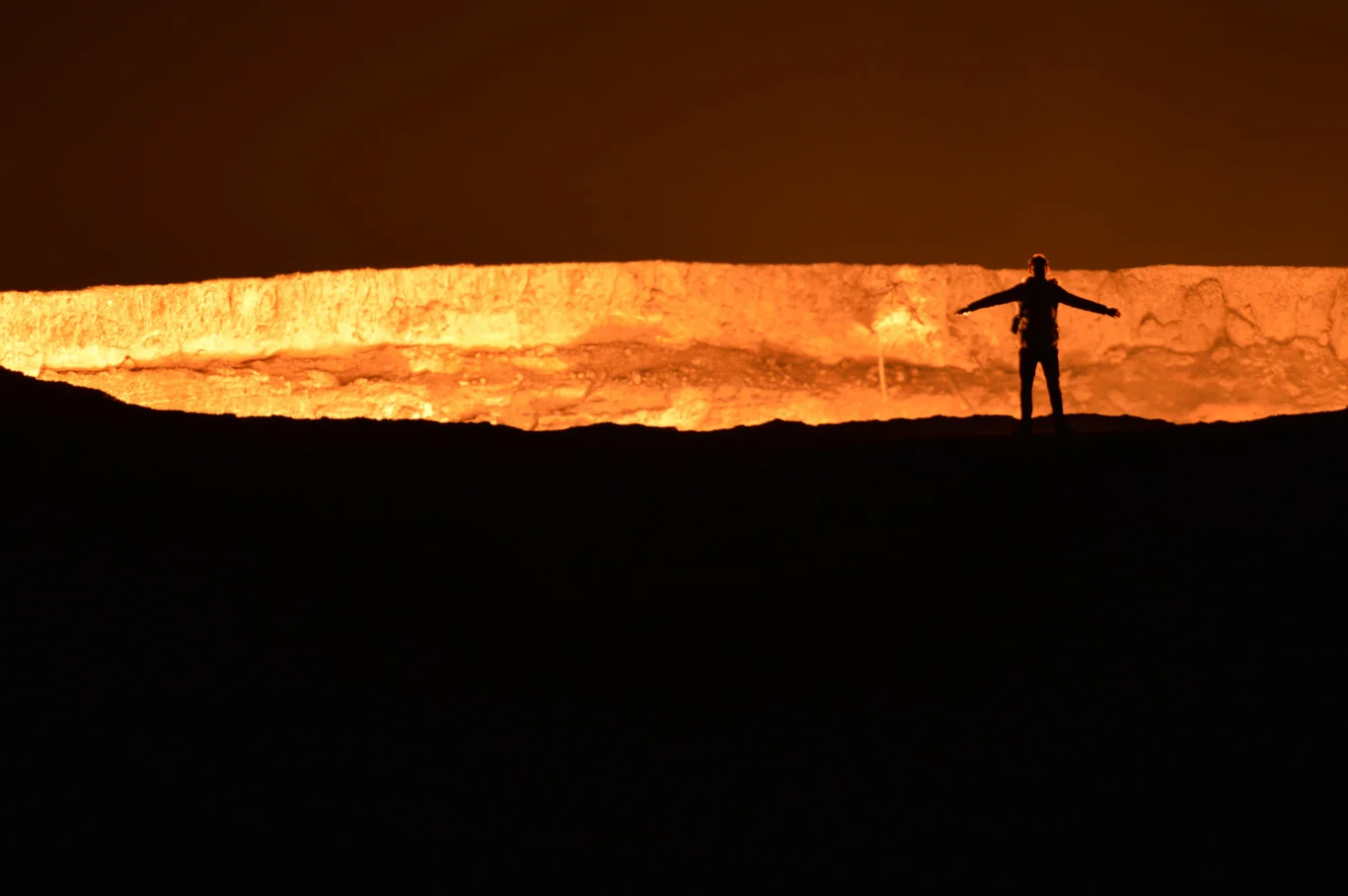
You might have seen photos of the gargantuan hole in the middle of the desert spewing out flames and a beam of light out of its core high up into the night sky while watching National Geographic or some documentary on the weirdest places on Earth. Although the Darvaza Crater has got quite large exposure in the media, it still remains very rarely visited by ordinary tourists. Central Asia is an extremely interesting place both naturally and historically. However, travelers almost always skip it choosing the popular beaches in Southeast Asia. Come to Darvaza and you'll feel as if you were teleported to Mars - it's a unique, outlandish and eerie experience that cannot be compared to anything else you've seen before.

While watching one of the Hollywood apocalyptic films or playing computer games - have you ever thought that a real ghost town is closer than you think? It is actually located in the center of Europe - in Ukraine. 110 kilometers (70 miles) from the country's capital - Kiev, very close to the border with Belarus. A visit to Pripyat is an extraordinary experience - something you most probably have never seen and will never see. It is completely different from the usual sight seeing tours. In this post I am presenting a gallery of photos of this ghost town literally abandoned overnight thirty years ago.
Posts populares:

2015 was a year full of adventure, surprises and amazing opportunities to discover even more of great and off the beaten path places. Just like a year ago, based on my own experience (I've been to all the countries described below), I'd like to present my list of destinations to visit in 2016 (click here to see the post from 2015). As usual, it will be different than most of such lists released by meainstream travel magazines. Instead of repeating all the well known places, I'd like you to get inspired and explore new adventurous and exciting spots. It has probably never even come to your mind that you could visit some of them and you'll surely get shocked when you learn where those amazing wonders actually are located!

The Shipwreck Beach (also called Navagio) on the Greek island - Zakynthos is the most beautiful beach I have seen. It's claimed to be the most beautiful - and I agree. After visiting numerous beaches in other, also way more exotic destinations (like Brazil, Thailand, Italy, Mauritius, Georgia, India, Croatia, Albania, Spain, Portugal), I have yet to discover a place that would enchant me as much as Navagio Beach. But there is a flaw in this perfection. The beach is indeed the most beautiful in the world, granted that it's viewed from the edge of the cliff that surrounds it. Looked at from the sea level, it looses its charm. However, most of the tour agencies offering a trip to the beach arrive there by boat and in this case you will not see it as it is on the postcards or leaflets - from above. It's also impossible to climb the steep rocky cliff from the beach. So what's the solution if you want to admire the famous view from the top?
One of the most important religious sites in Myanmar, seemingly defying the law of gravity - Golden Rock Temple (Kyaiktio or Kyaikhteeyoe Pagoda), although quite famous, is surprisingly not as touristy as the other destinations in the country - Bagan, Mandalay or Yangon. There are good and bad sides to it. The good thing is that the authenticity of the place is still preserved (unlike the temples in Thailand) and you'll see many more locals than foreigners around. The bad thing - to get there without an expensive, privately run tour or a taxi is pretty complicated, the bus schedules are not clear and the level of English among the Burmese is very low. And... to be honest, the site is one of those that look absolutely spectacular in the photos, a bit less so in real life. Having said that, the whole journey was a great adventure, definitely worth the effort and it left some priceless memories in my mind.
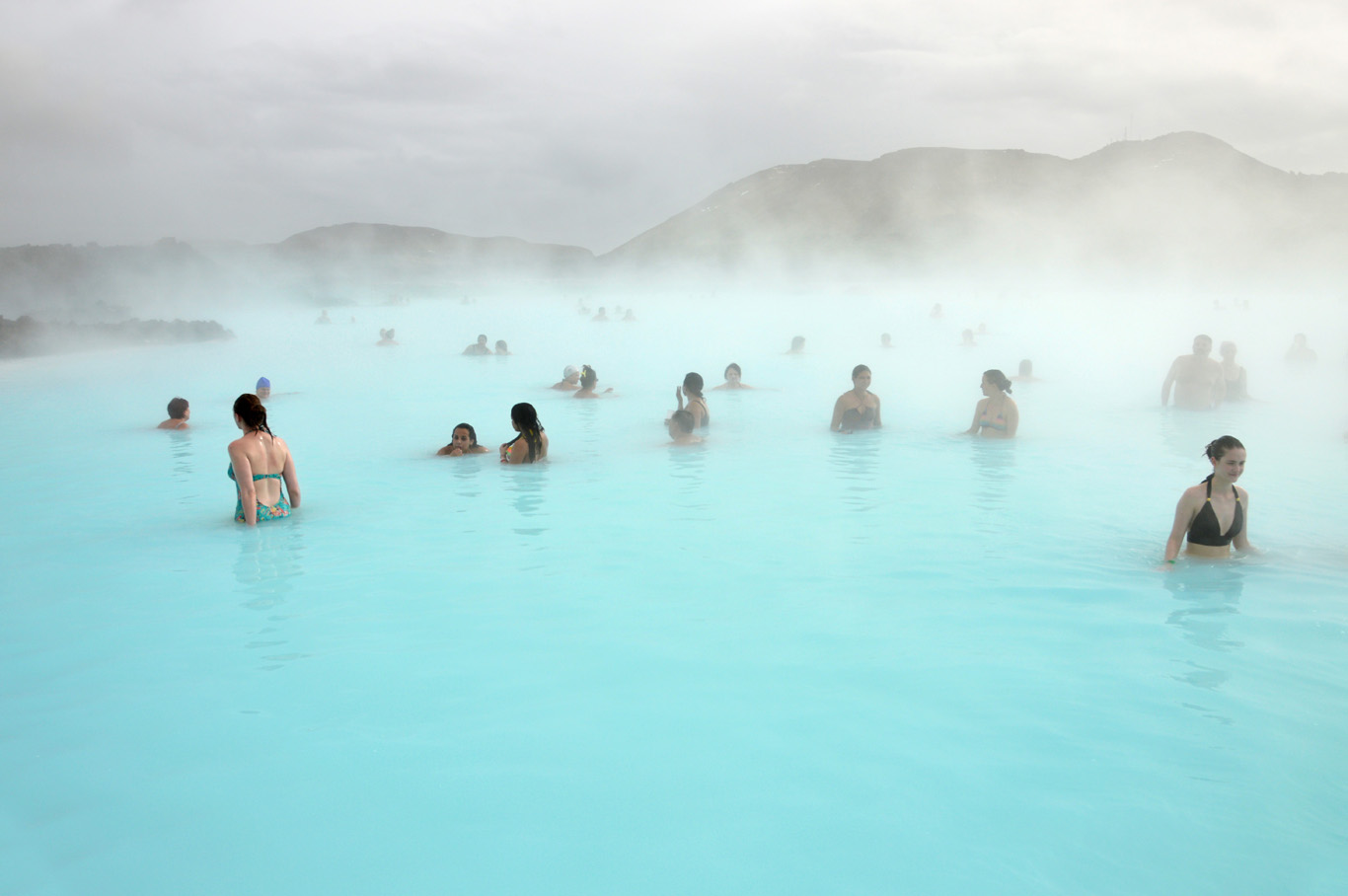
It might be a bit strange to see a post about a spa on a blog that describes mainly an active way of traveling and discovering some forgotten and unknown places where few even think of visiting. But Blue Lagoon in Iceland is different. It's an amazing proof how human engineering and nature can cooperate perfectly. It's not an ordinary, boring spa with swimming pools and massages. The Blue Lagoon is one of those experiences that, I think, everyone should try at least once in life. Especially after exploring some of the marvelous sites of Iceland - an outlandish island on the periphery of Europe.

The very south corner of Albania - the country which is still a black spot on the touristic map of Europe offers, in my opinion, the best beaches in the entire old continent: white sand, tropical color of the clearest possible seas, the exoticism of the area and most friendly locals. Most of the very few individual foreign tourists who get to the beach village of Ksamil arrive by ferry from the neighboring, overcrowded by tourists Greek island - Corfu. I followed the same route. And, I really thought that Corfu is amazing until I set foot in Albania's shore. My jaw literally dropped. I immediately felt as if I was transferred to one of the tropical, paradise-like postcard spots. It's a mystery to me how this exceptionally beautiful piece of land lacks any recognition among foreigners. But maybe it's better this way!
While visiting the majestic temples of the ancient city of Bagan in Myanmar, tempted by extraordinary photos and encouraged by the previous, amazing hot air balloon experience in Cappadocia, Turkey (take a look at my post about it), we decided to go for it and pay the extremely high price for the Balloon over Bagan flight. You live only once, after all. Not everyday you're in Bagan and can try something so unique - combining the air balloon flight with the overview of the whole magnificent area - miles and miles of land dotted with hundreds of various temples. All this in the warm rays of the rising sun. Sounds amazing, doesn't it? But in the end, was Balloons over Bagan really worth it considering the price?