

Norway
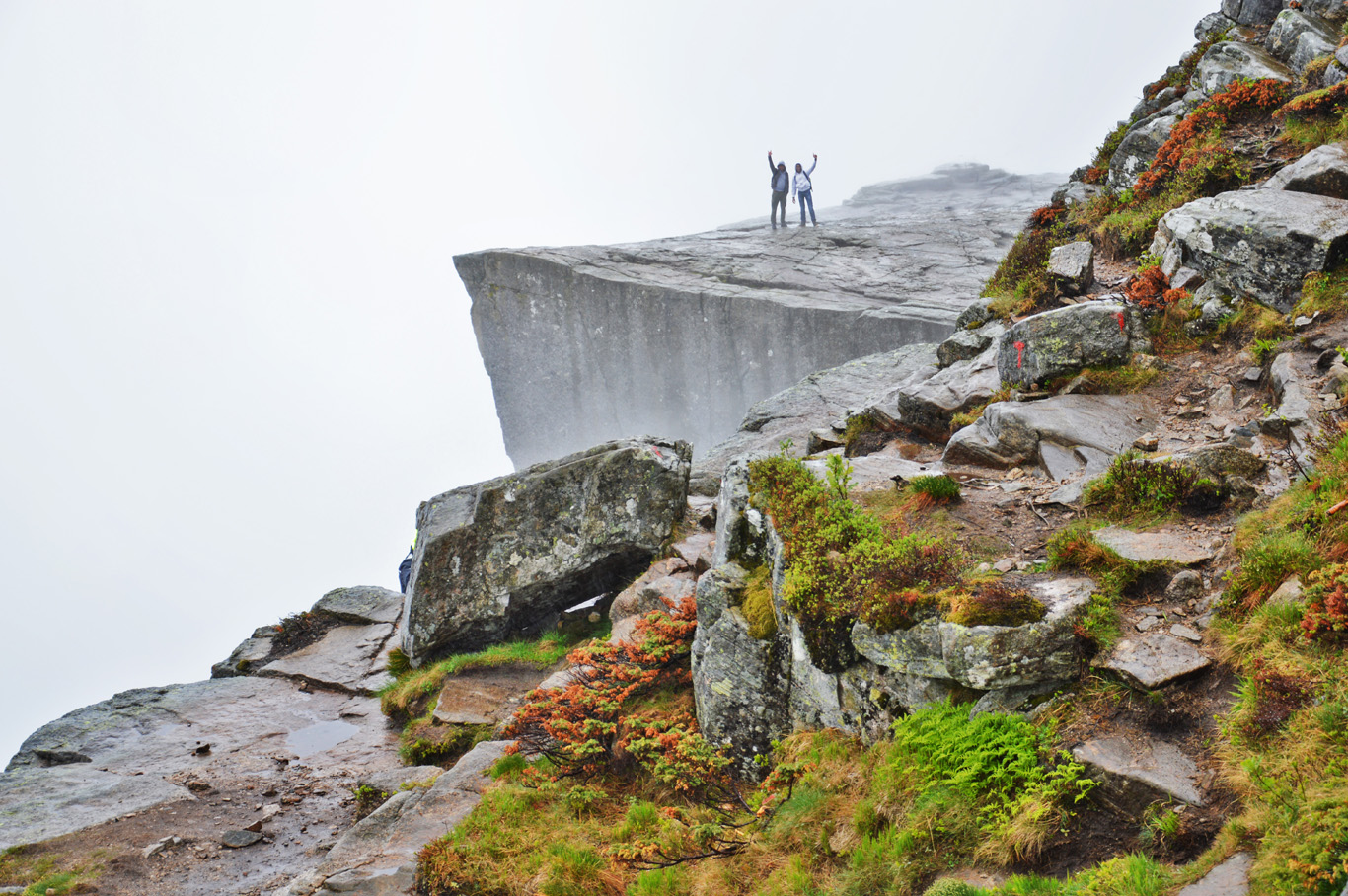
Norway is one of my favorite countries in the world. Its natural beauty is incomparable to any other place on Earth: the famous Pulpit Rock is an astounding example - not to miss while visiting Norway. But the real experience starts in the Polar Circle - the Lofoten Islands. I must admit, it is the most beautiful spot on our planet we've been to. It seems so unreal that it's actually hard to believe your eyes.
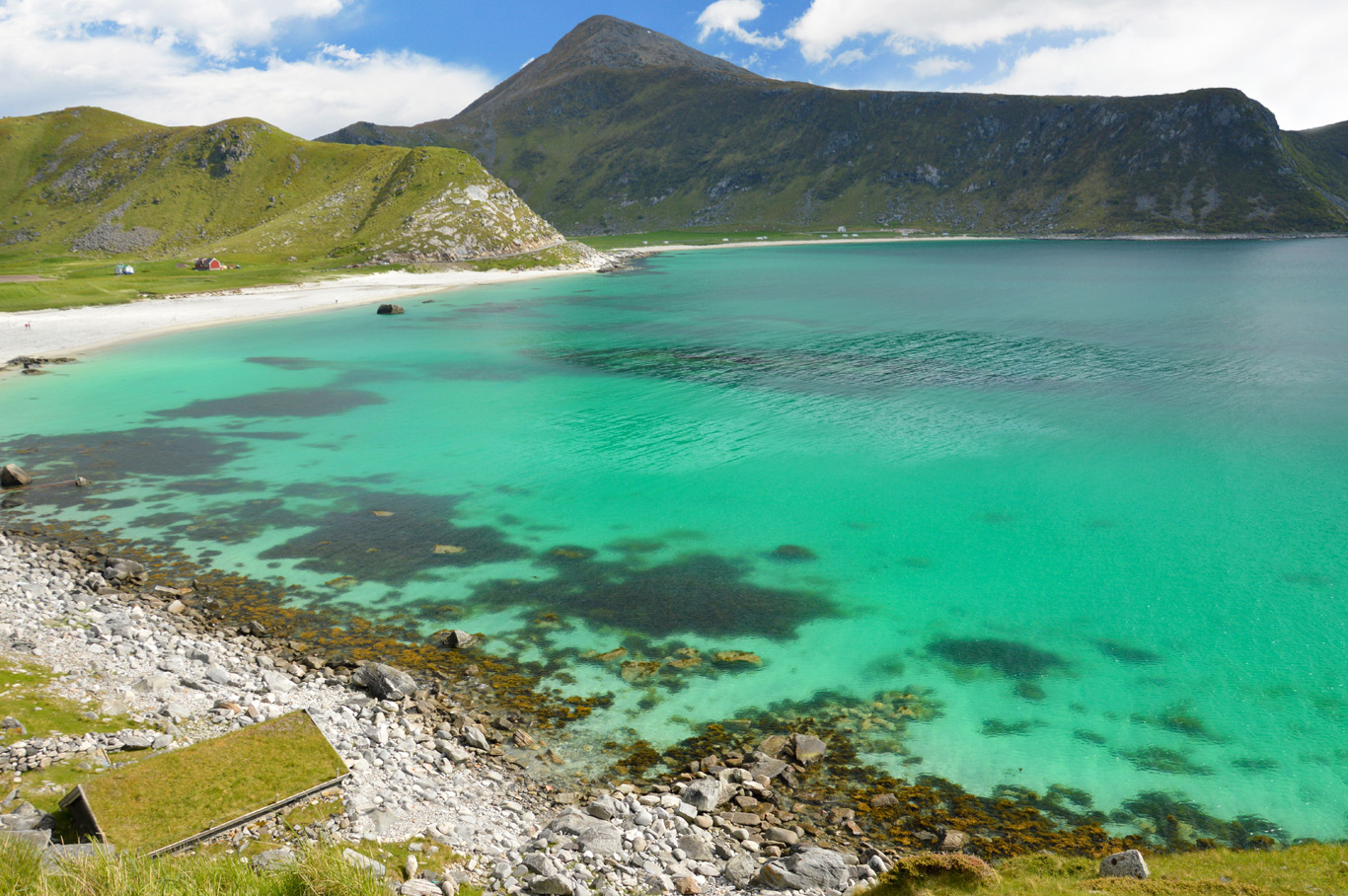
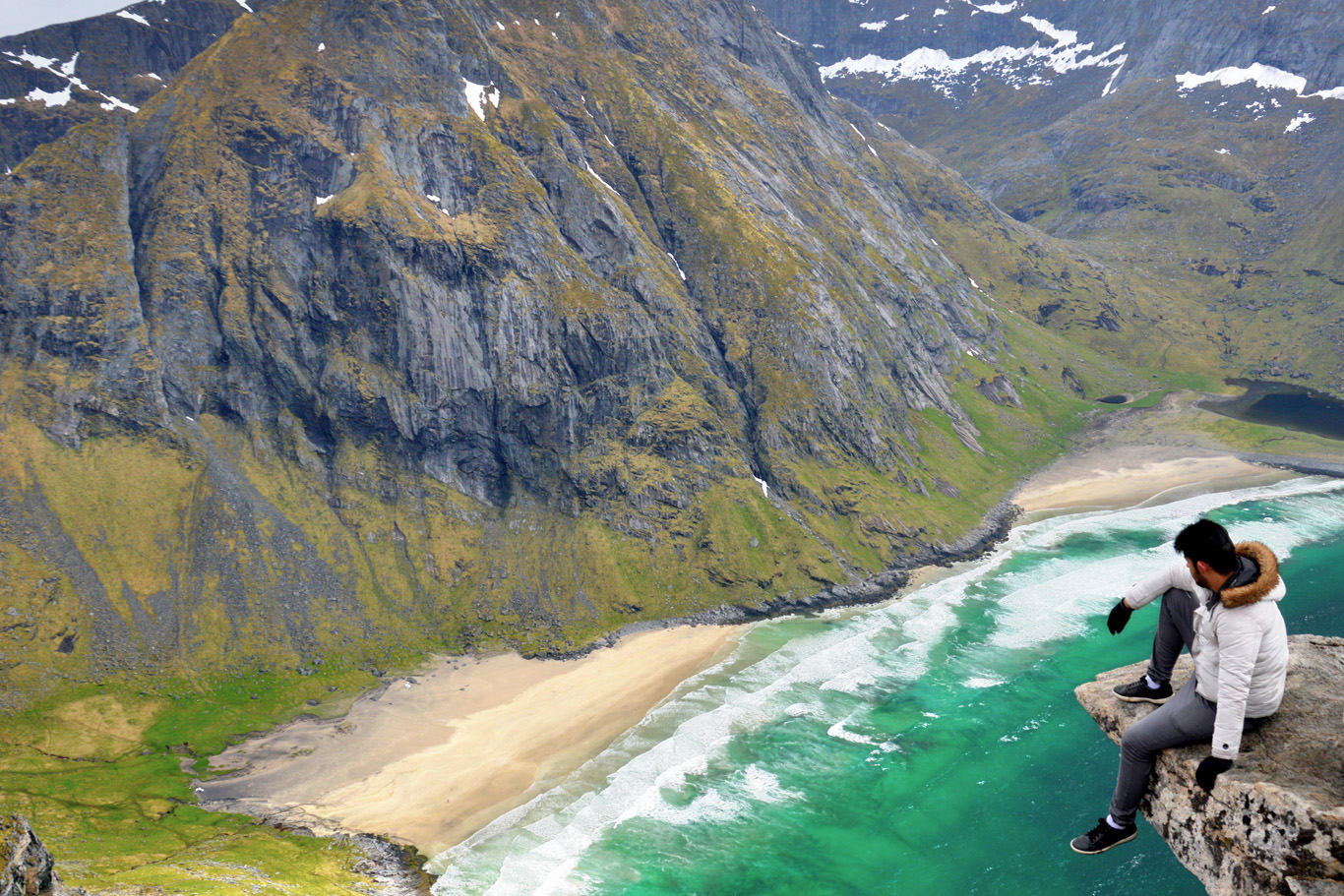
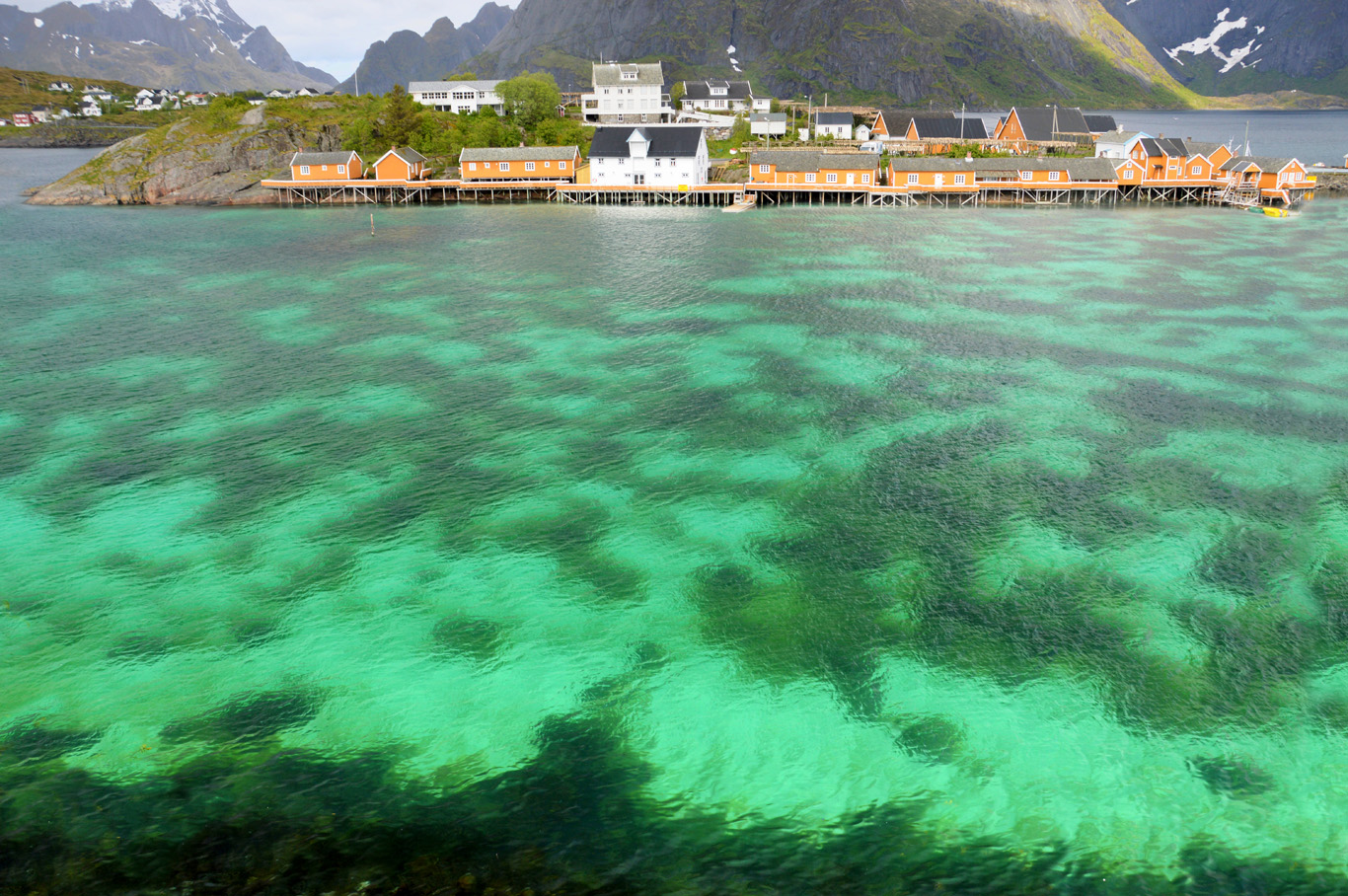
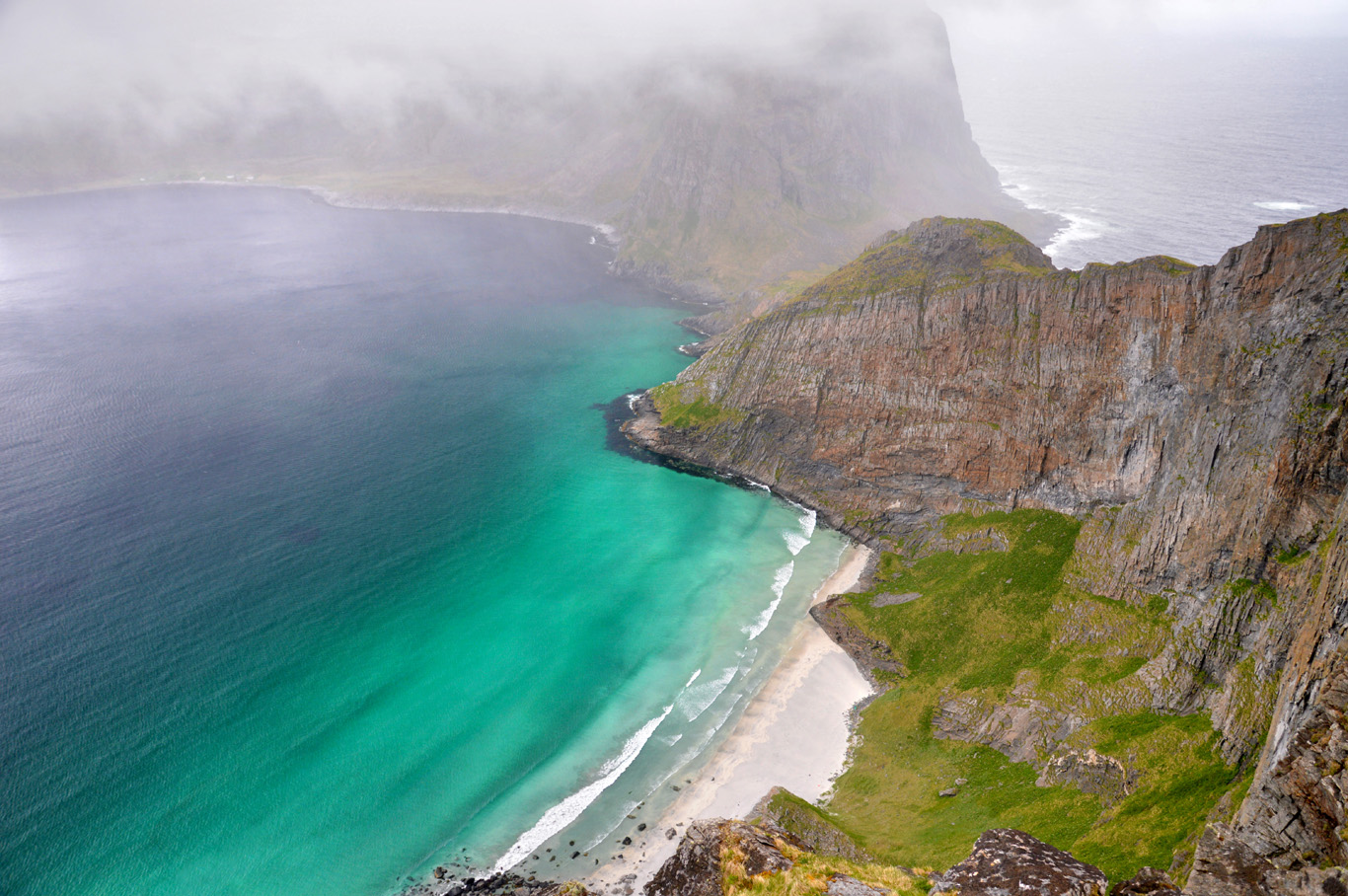
Little villages, cozy cottages situated besides snowy peaks of the mountains that seem like the Alps sticking out straight from the sea; the midnight sun in the summer, the fjords, cliffs and... paradise white sand beaches with crystal clear turquoise waters that can easily compete with those in the tropics. All this mixed up all over the place. Looks like a fantasy world of video games.
And, there's the capital - Oslo. It's also interesting though quite expensive. There are, however, ways to travel in Norway on a budget. To find out more about this extremely different and so attractive country, browse the articles below:

Lofoten archipelago is a truly spacial place. It's located above the Arctic Circle and during the summer, the sun never sets (in winter, it never rises which is perfect for admiring Aurora Borealis). From mid May till August, you can walk around at 2 am and feel as if it was late afternoon.
Lofoten is extraordinary not only because of the unusual sunrise/sunset times. I must admit it is the most beautiful place on our planet I have ever seen. Surrounded by the vast Norwegian Sea connected to the Atlantic Ocean, the archipelago is warmed up by its waters and the climate is surprisingly mild, even in winter. The islands emerge suddenly right out of the sea and their pointy peaks resemble the highest parts of the Alps. Surprisingly, apart from the spectacular mountains, Lofoten has... tropical looking beaches that you'd never think could exist so far north. Perfect, white sand and turquoise, clear waters seem to bea carbon copy of the Caribbeans. All this unusual mixture of landscapes otherwise not seen side by side creates an unique fantasy scenery that you'd expect to see in a video game rather than in reality.

The island of Vaeroy - a part of Lofoten Islands - was our first stop in this indescribable archipelago. Because of the warm waters of the Gulf Stream, although located within the Arctic Circle, Lofoten's climate is pretty mild. And Vaeroy, detached from the other, tightly squeezed islands and completely surrounded by the sea, is even warmer - snow rarely stays on the ground for long. It's unbelievable how beautiful and diverse the island is considering its tiny size. It has everything - a cozy town, the mountains, cliffs and paradise beaches - it's a tiny, concentrated mini version of the entire Lofoten archipelago - a perfect starter before exploring the rest of Lofoten.

The Frogner Park in Oslo is a perfect place for those who seek for shelter from a busy, modern city. But it wouldn't be world famous if it were just an ordinary park with trees, alleys and lawns. Within its boundaries, the Frogner Park holds the controversial sculpture installation by Gustav Vigeland which boasts over 200 statues and is the largest in the world such installation created by a single artist. Easy to reach, the strange Vigeland's sculptures should be seen by everyone who is visiting the diverse Norwegian capital, so don't miss it!

The pulpit rock (Preikestolen) is one of the most popular attraction of Norway. A huge, flat cliff overlooking a breathtaking scenery of the Lysefjord attracts many visitors looking for an adventure in this Scandinavian country. To get there, before a long hike up to the cliff, you need to reach the nearby town of Stavanger.
Besides the famous cliff, the town itself is really worth exploring, its charming, wooden architecture is different from that of modern Oslo. It's Norway at its best. It's very clean and neat, surrounded by fjords, full of parks and cozy little streets. After (or before) climbing the pulpit rock, give yourself one or two days of free time to visit Stavanger.

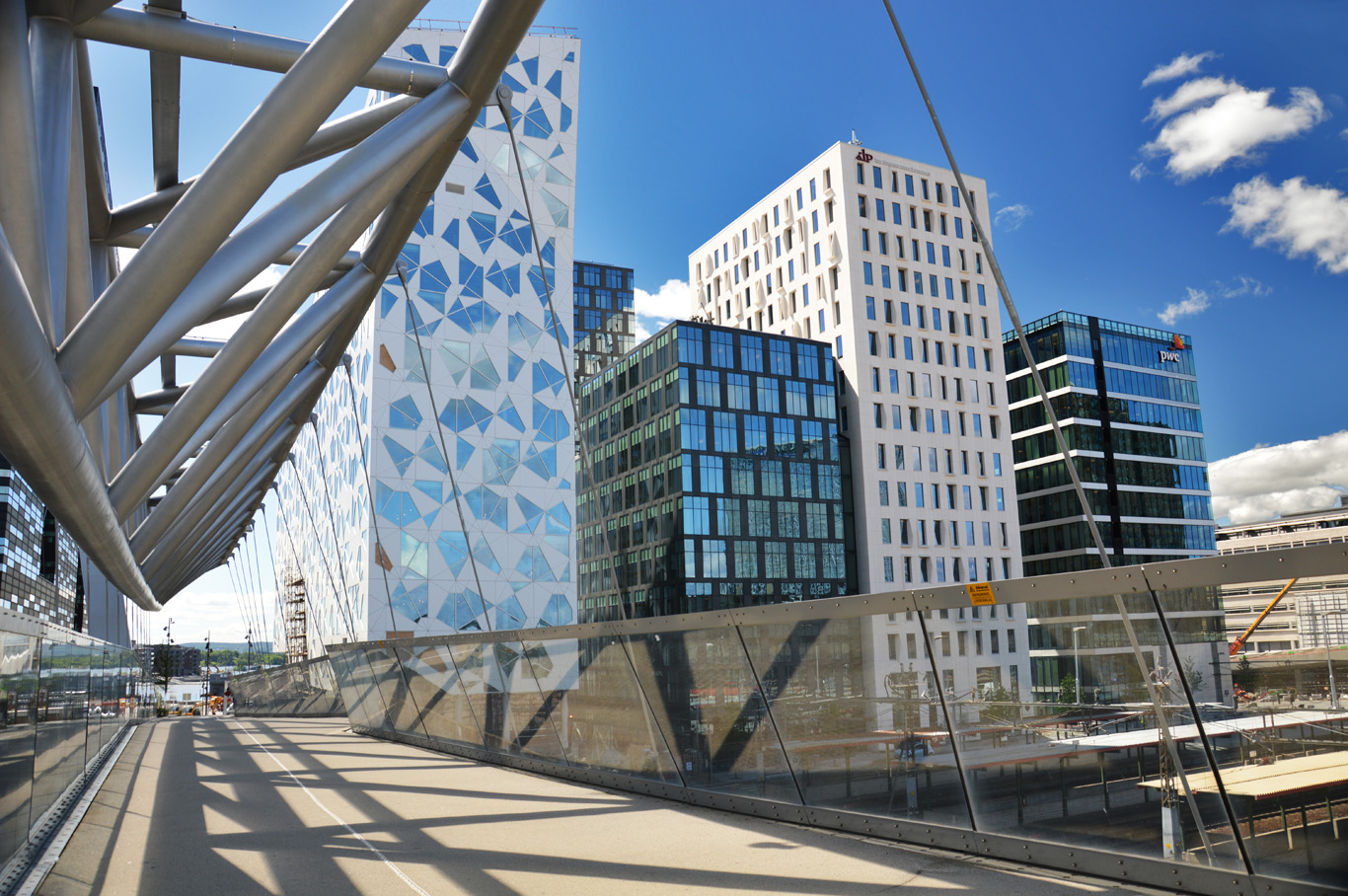
Oslo, the capital of Norway is a beautiful and surprising city. Surrounded by water, the old town contrasts with the super-modern center with very original architecture. Oslo is a very pleasant place to visit, especially in the summer time. It's also the gateway to other attractions in Norway which is becoming more and more popular among tourists from around the world (for example Fjords and the famous Pulpit Rock).
But anyway, if you are in Oslo, you will be surprised how diverse and beautiful the Norway's capital is and how many things you can actually visit. I was amazed ans astounded while walking down the streets of the city. I came to Norway mainly for the Pulpit Rock and, although I didn't intend to spend a lot of time in Oslo, it turned out to be a nice surprise (so were other towns in Norway and the countryside). While driving through the country, everything seemed so beautifully planned and arranged. All the houses, gardens, little streets and squares with fountains. No wonder it's one of the richest (and, unfortunately most expensive) countries in the world.

The Pulpit Rock (Preikestolen in the Norwegian language) is a massive cliff that reminds of a huge stone block with an almost flat, rectangular, table like surface on the top. It rises 604 meters (1982 ft.) above the sea level and provides unbelievably spectacular views overlooking the Lysefjord (of course, granted that the weather is good). The Pulpit Rock is located in Ryfylke, Rogaland region of Norway, around 25 kilometers (15 miles) from the town of Stavanger hich is the starting point for most of the trips to the cliff. The best time for hiking Preikestolen is during the summer season from April until October when the weather is relatively warm.
Featured Posts:
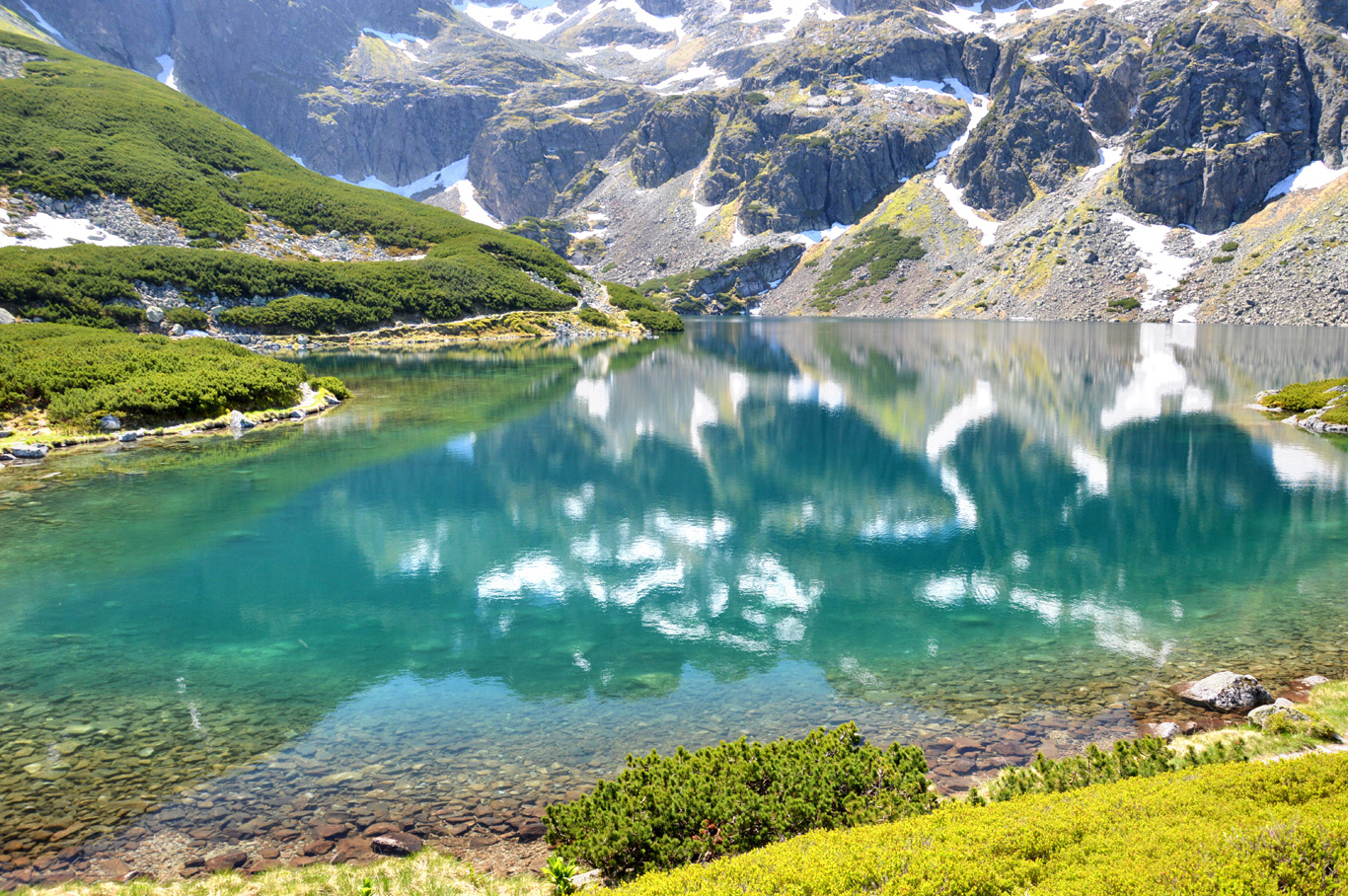
Many of the visitors coming to southern Poland and Krakow region end up in Zakopane - the little town located at the foot of the Tatra Mountains. Some hike (or take a horse cart ride) up the easy and quite boring trail to the most famous landmark in Polish mountains - Morskie Oko lake which is undoubtedly picturesque and beautiful, but so overcrowded that it can get really irritating.
In this post, I'll try to encourage you to leave Morskie Oko behind and venture into the real, wild beauty of the area. As usual, the most attractive and stunning views are awaiting those who are brave enough to take a risk and explore something beyond the beaten path. I've already described the trek to Dolina Pieciu Stawow which is way nicer than the one to Morskie Oko and now it's time to write about my favorite trail in the Tatras - to Swinica peak via the less known Dolina Gasienicowa (Gasienicowa Valley) and Zawrat saddle. This trail features not one but several crystal clear lakes of different shapes and colors, spectacular views - incomparable with those on the way to Morskie Oko and it's perfect for those who love adventure and adrenaline rush!

On the second day of the extraordinarily beautiful trek to Poon Hill, we left the cozy village of Ulleri at sunrise and headed uphill towards another village - Ghorepani. Ghorepani is located at the elevation of 2750 meters and it differs from other towns with the distinctive blue roofs and houses. It is also a gateway to the most important point of the trek - Poon Hill (around 3200 meters above sea level) which offers a spectacular, 360 degree view of the Annapurna range in the Himalayas. Especially stunning in March/April when all the wild rhododendrons blossom and cover the mountainous valleys in bright red colors.

Lake Kaindy in southern Kazakhstan is one of the newest and most unique natural wonders on our planet. Although literally unknown in the West, if it was located in any European country, it would be its best tourist attraction. Especially beautiful in the fall (autumn), Lake Kaindy boasts not only exceptionally attractive blue color of water and snowy rocky mountains surrounding it but also the unique, silver trunks of dead spruce sticking out of the lake's surface. The "flooded forest" is indeed one of the natural landmarks of Kazakhstan. It all creates a fairy-tale like scenery, not seen anywhere else.
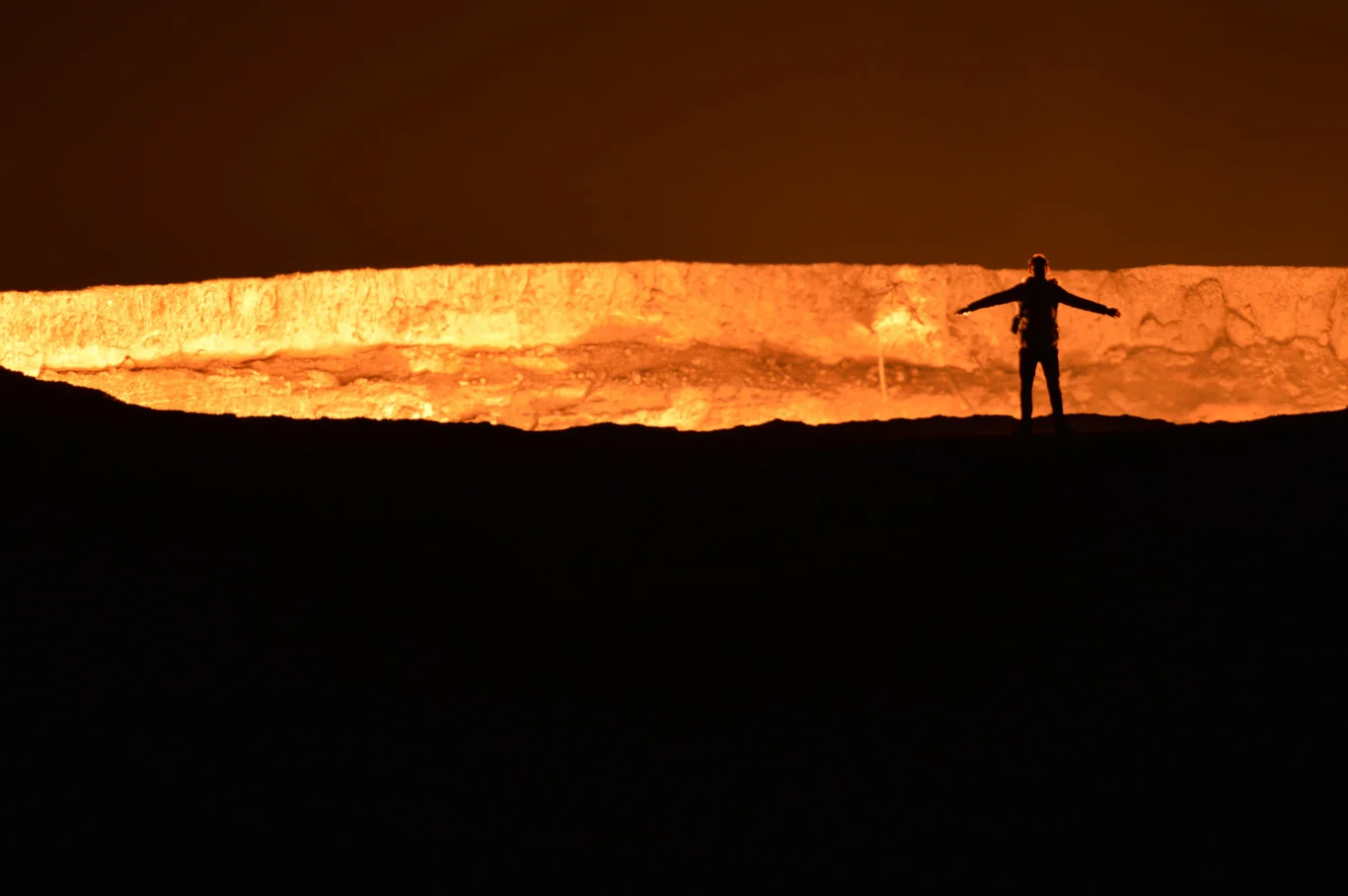
You might have seen photos of the gargantuan hole in the middle of the desert spewing out flames and a beam of light out of its core high up into the night sky while watching National Geographic or some documentary on the weirdest places on Earth. Although the Darvaza Crater has got quite large exposure in the media, it still remains very rarely visited by ordinary tourists. Central Asia is an extremely interesting place both naturally and historically. However, travelers almost always skip it choosing the popular beaches in Southeast Asia. Come to Darvaza and you'll feel as if you were teleported to Mars - it's a unique, outlandish and eerie experience that cannot be compared to anything else you've seen before.

While watching one of the Hollywood apocalyptic films or playing computer games - have you ever thought that a real ghost town is closer than you think? It is actually located in the center of Europe - in Ukraine. 110 kilometers (70 miles) from the country's capital - Kiev, very close to the border with Belarus. A visit to Pripyat is an extraordinary experience - something you most probably have never seen and will never see. It is completely different from the usual sight seeing tours. In this post I am presenting a gallery of photos of this ghost town literally abandoned overnight thirty years ago.
Most Popular Posts:

2015 was a year full of adventure, surprises and amazing opportunities to discover even more of great and off the beaten path places. Just like a year ago, based on my own experience (I've been to all the countries described below), I'd like to present my list of destinations to visit in 2016 (click here to see the post from 2015). As usual, it will be different than most of such lists released by meainstream travel magazines. Instead of repeating all the well known places, I'd like you to get inspired and explore new adventurous and exciting spots. It has probably never even come to your mind that you could visit some of them and you'll surely get shocked when you learn where those amazing wonders actually are located!

The Shipwreck Beach (also called Navagio) on the Greek island - Zakynthos is the most beautiful beach I have seen. It's claimed to be the most beautiful - and I agree. After visiting numerous beaches in other, also way more exotic destinations (like Brazil, Thailand, Italy, Mauritius, Georgia, India, Croatia, Albania, Spain, Portugal), I have yet to discover a place that would enchant me as much as Navagio Beach. But there is a flaw in this perfection. The beach is indeed the most beautiful in the world, granted that it's viewed from the edge of the cliff that surrounds it. Looked at from the sea level, it looses its charm. However, most of the tour agencies offering a trip to the beach arrive there by boat and in this case you will not see it as it is on the postcards or leaflets - from above. It's also impossible to climb the steep rocky cliff from the beach. So what's the solution if you want to admire the famous view from the top?

One of the most important religious sites in Myanmar, seemingly defying the law of gravity - Golden Rock Temple (Kyaiktio or Kyaikhteeyoe Pagoda), although quite famous, is surprisingly not as touristy as the other destinations in the country - Bagan, Mandalay or Yangon. There are good and bad sides to it. The good thing is that the authenticity of the place is still preserved (unlike the temples in Thailand) and you'll see many more locals than foreigners around. The bad thing - to get there without an expensive, privately run tour or a taxi is pretty complicated, the bus schedules are not clear and the level of English among the Burmese is very low. And... to be honest, the site is one of those that look absolutely spectacular in the photos, a bit less so in real life. Having said that, the whole journey was a great adventure, definitely worth the effort and it left some priceless memories in my mind.
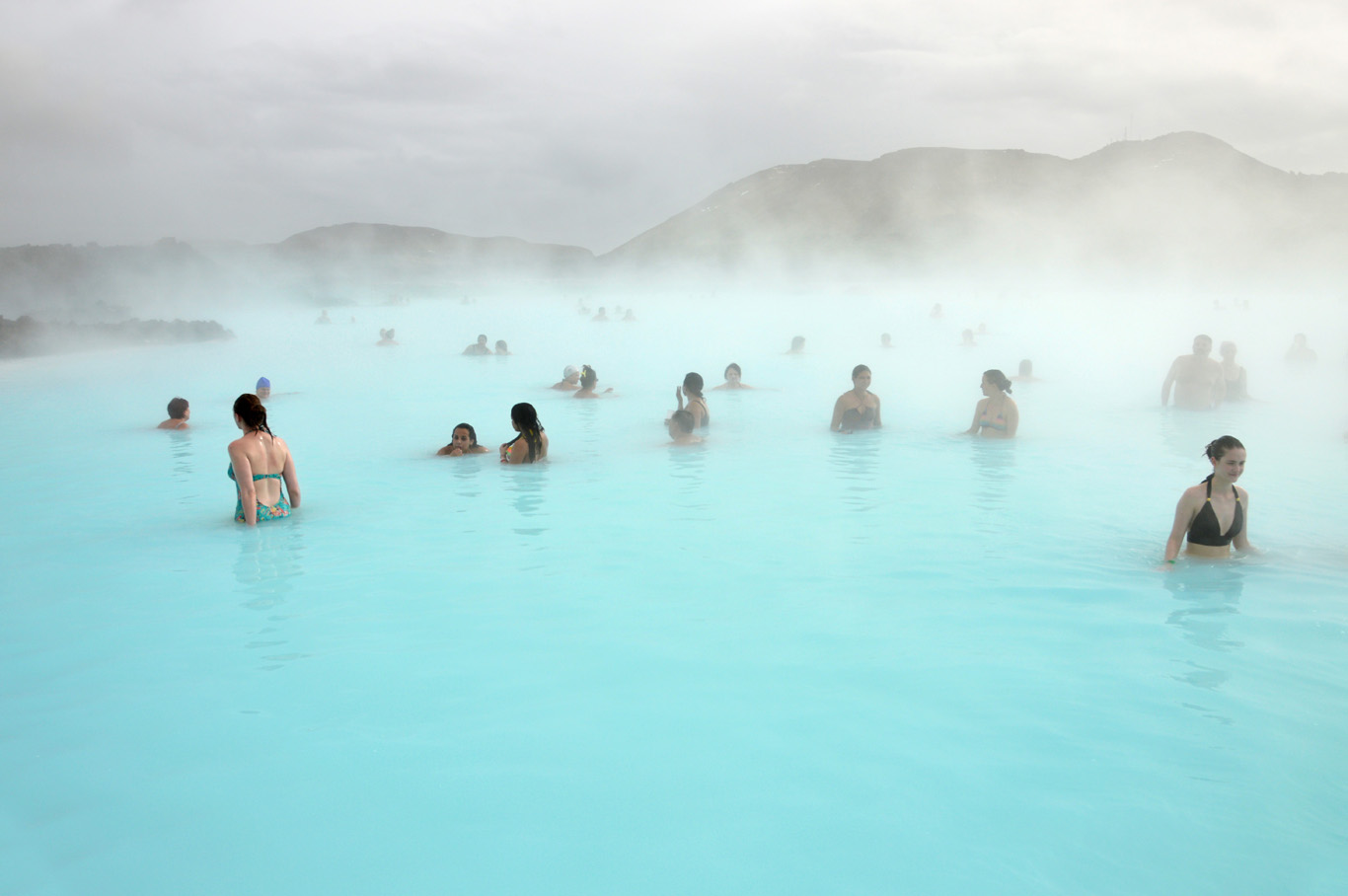
It might be a bit strange to see a post about a spa on a blog that describes mainly an active way of traveling and discovering some forgotten and unknown places where few even think of visiting. But Blue Lagoon in Iceland is different. It's an amazing proof how human engineering and nature can cooperate perfectly. It's not an ordinary, boring spa with swimming pools and massages. The Blue Lagoon is one of those experiences that, I think, everyone should try at least once in life. Especially after exploring some of the marvelous sites of Iceland - an outlandish island on the periphery of Europe.

The very south corner of Albania - the country which is still a black spot on the touristic map of Europe offers, in my opinion, the best beaches in the entire old continent: white sand, tropical color of the clearest possible seas, the exoticism of the area and most friendly locals. Most of the very few individual foreign tourists who get to the beach village of Ksamil arrive by ferry from the neighboring, overcrowded by tourists Greek island - Corfu. I followed the same route. And, I really thought that Corfu is amazing until I set foot in Albania's shore. My jaw literally dropped. I immediately felt as if I was transferred to one of the tropical, paradise-like postcard spots. It's a mystery to me how this exceptionally beautiful piece of land lacks any recognition among foreigners. But maybe it's better this way!
In this part I will describe the three northernmost islands that we visited in Lofoten - Vestvagoy, Gimsoya and Austvagoya. Because of the Haukland beach (one of the most beautiful beaches we've ever seen), this is probably my favorite part of the Lofoten archipelago. Haukland, because of its appearance, could be easily located in the tropics - with white, soft sand and turquoise waters. However, I must admit, that it's nearly impossible to have a favorite place in Lofoten as virtually all the spots are equally incredible - there are no words that can describe the natural beauty of this place (as I mentioned so many times in the previous posts - Lofoten South and Vaeory island).