

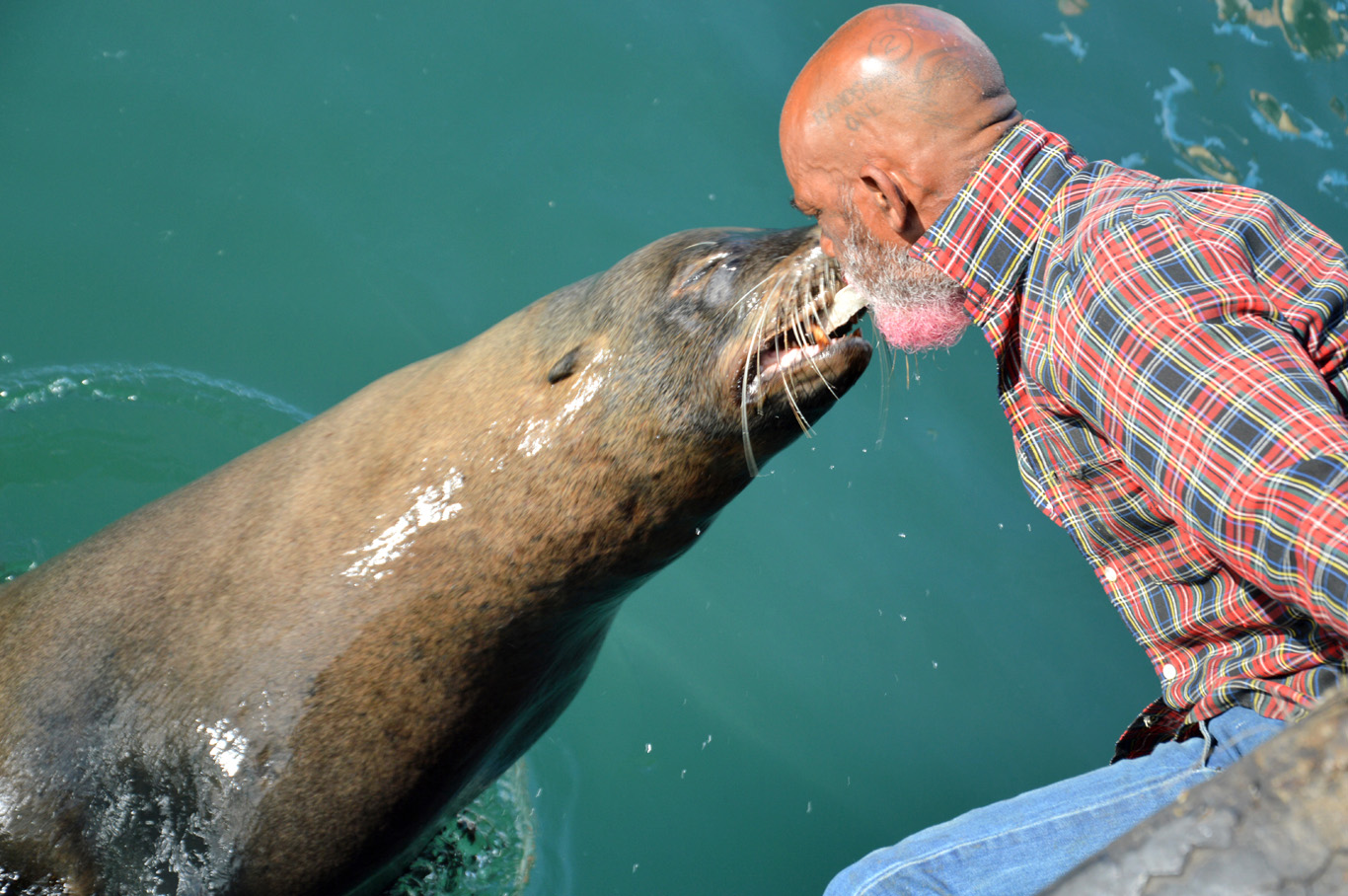
South Africa
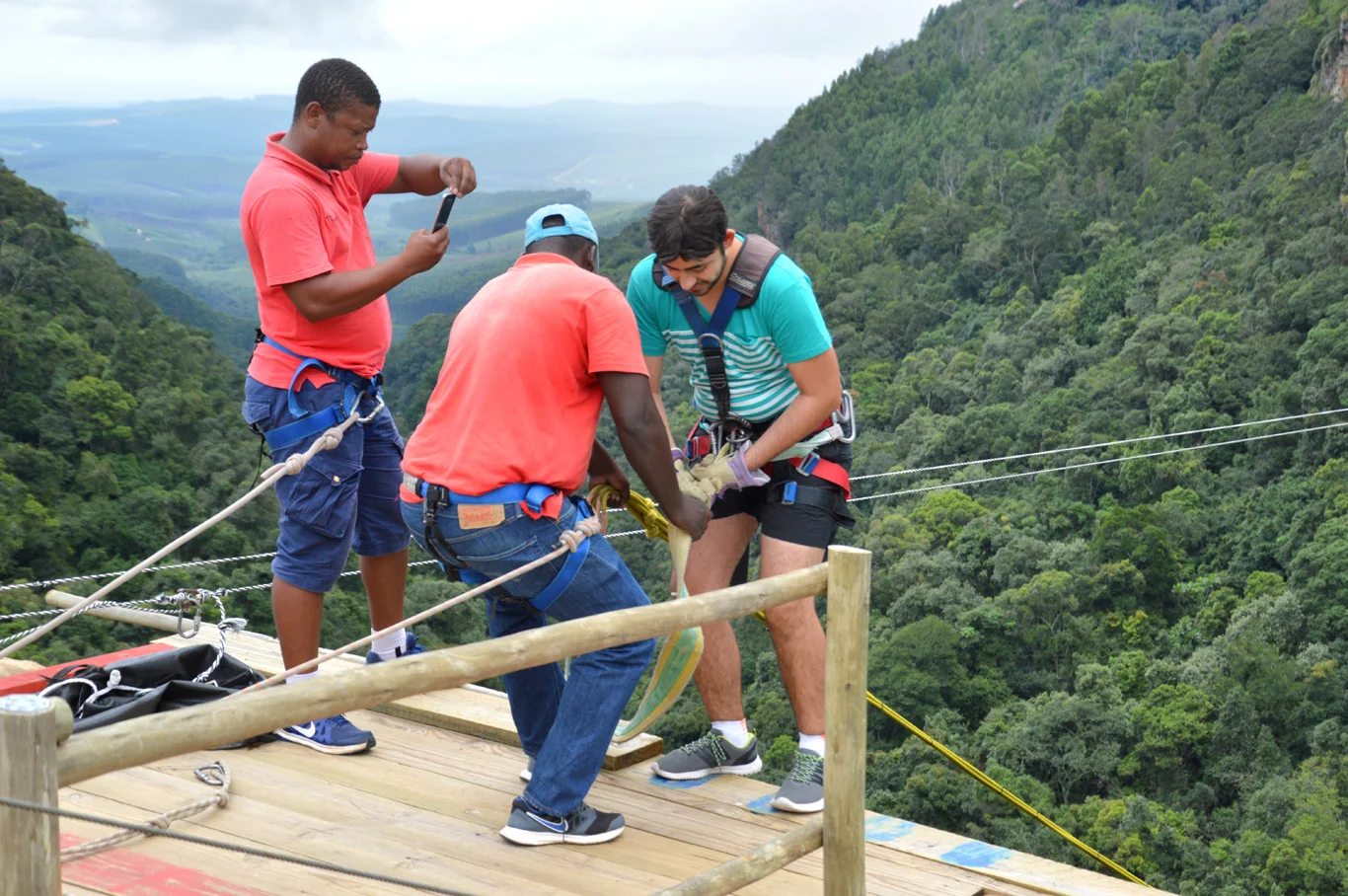
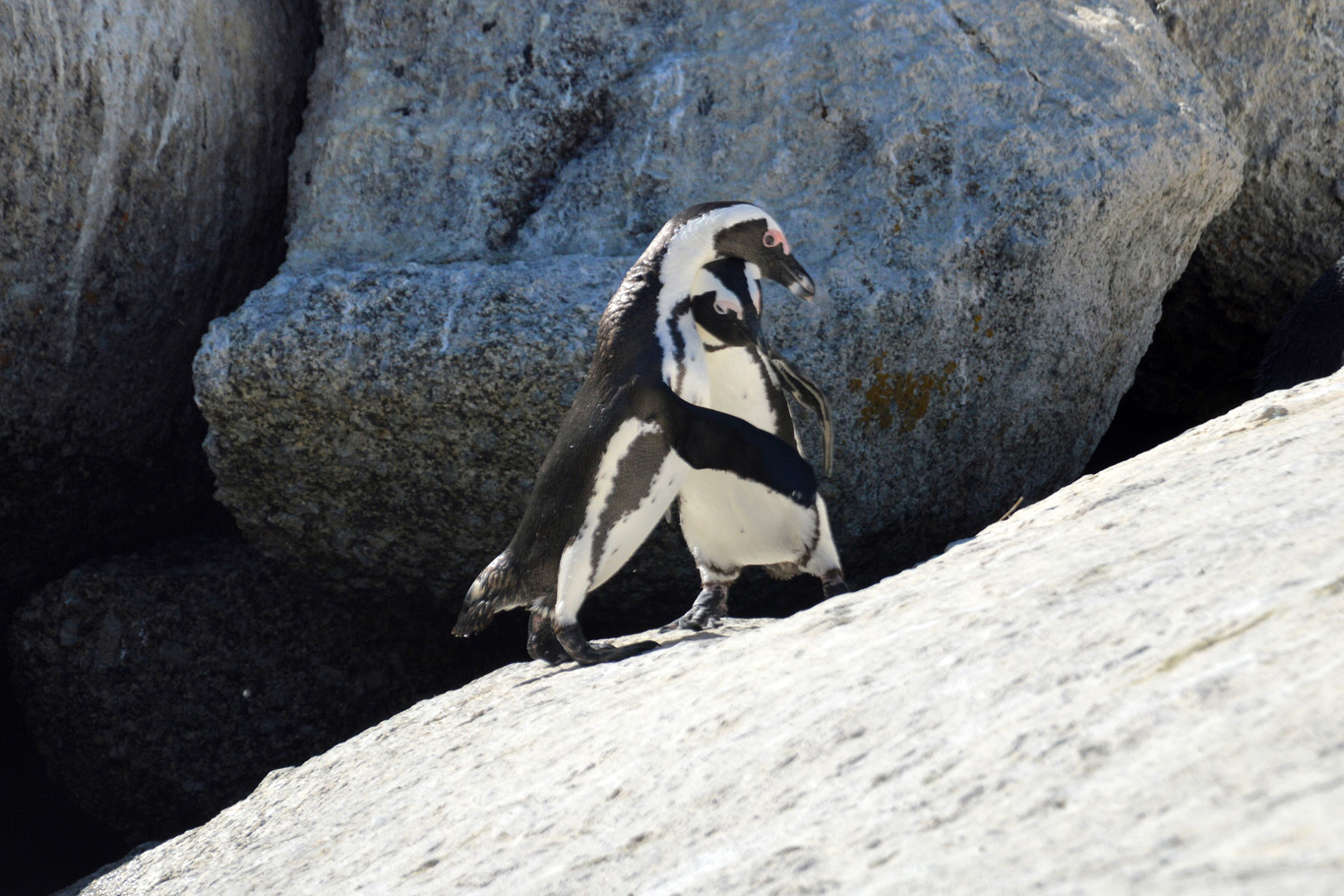
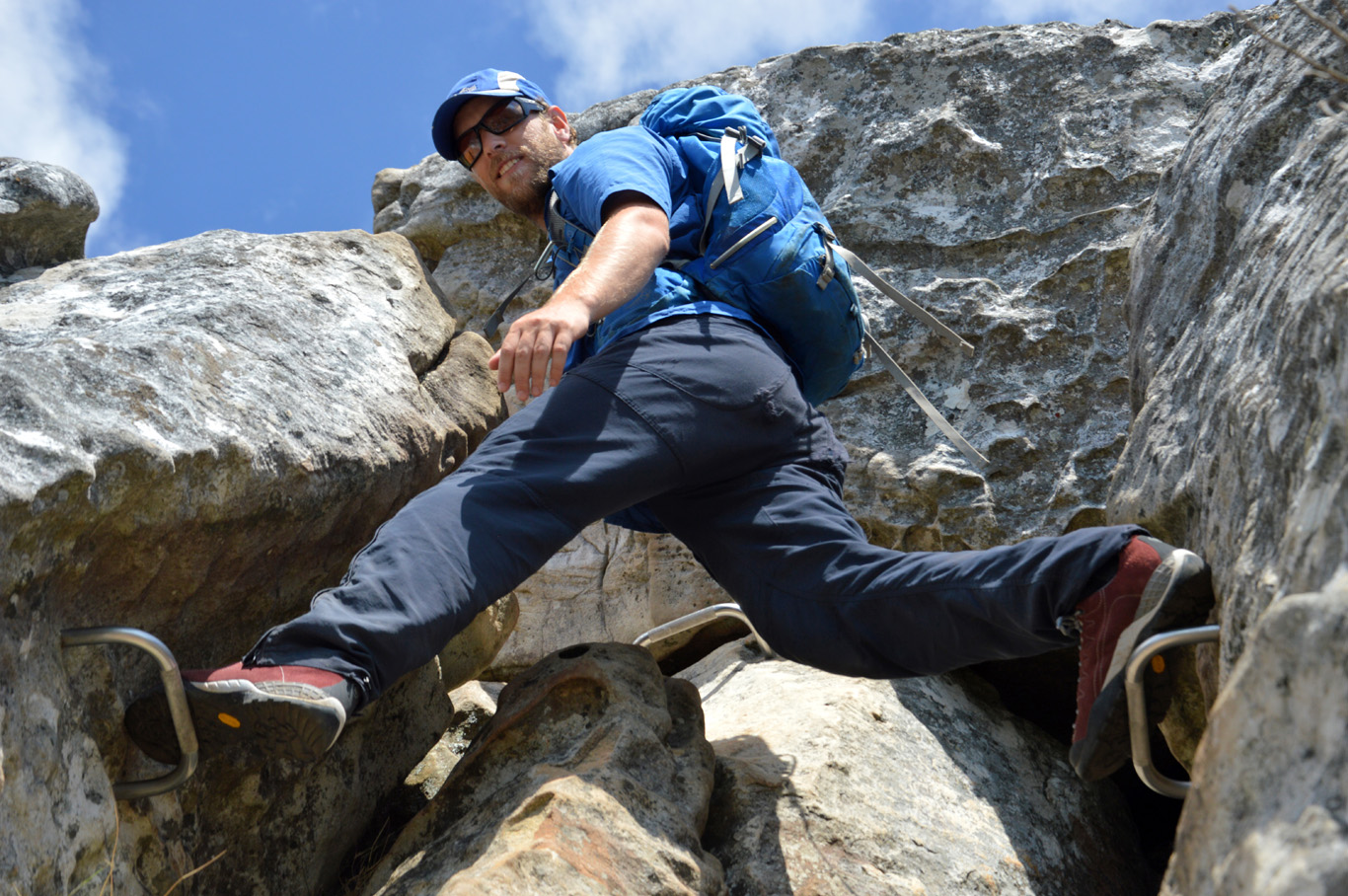
It was in South Africa, where we tried bungee jumping and diving with sharks for the first time. Climbing the famous Table Mountain in Cape Town via the difficult India Venster trail was also a great challenge. Apart from that, we enjoyed "the big five" on our first day in Kruger National Park, penguin beach near Cape Town and the breathtaking coast of the Cape of Good Hope.
We also visited two city centers (which is quite uncommon for tourists in South Africa) - Cape Town and Johannesburg. They are somehow controversial regarding the safety issues - if you wish to find out how it turned out for us - see the articles below.
We also went to the little country entirely surrounded by South Africa - Lesotho - which seems to be completely forgotten and ignored by western tourist. Don't miss it! More info about Lesotho here.

Kruger Park in South Africa is one of the largest wild game reserves on the African continent. One of the must-see places in South Africa where you can see multiple wild animals roaming around freely. Sounds great - nature at its best - but what it is really like in real life? In this post you will find an honest review of our experiences in the park - all the pros and cons, how we managed to visit it in just 2 days (traveling from Johannesburg) and how lucky we were to actually see the "Big Five" and much more in just one day!

Cape Town, South Africa's most famous city is extremely popular among visitors flocking to this beautiful country - especially that it's surrounded by nice beaches from one side, and from the other - spectacular (although not too high) mountains offering some amazing hike opportunities.
However, what I've noticed is that many of the Westerners tend to see mostly the "posh" places around the city, such as the lavish waterfront, luxurious coastline or the most recognizable landmark - the table mountain. These spots are amazing indeed, but what about the very center of Cape Town? What's it like there? Why is it often omitted? How do the ordinary locals get by with their lives? And - the most important thing - is it safe to visit?

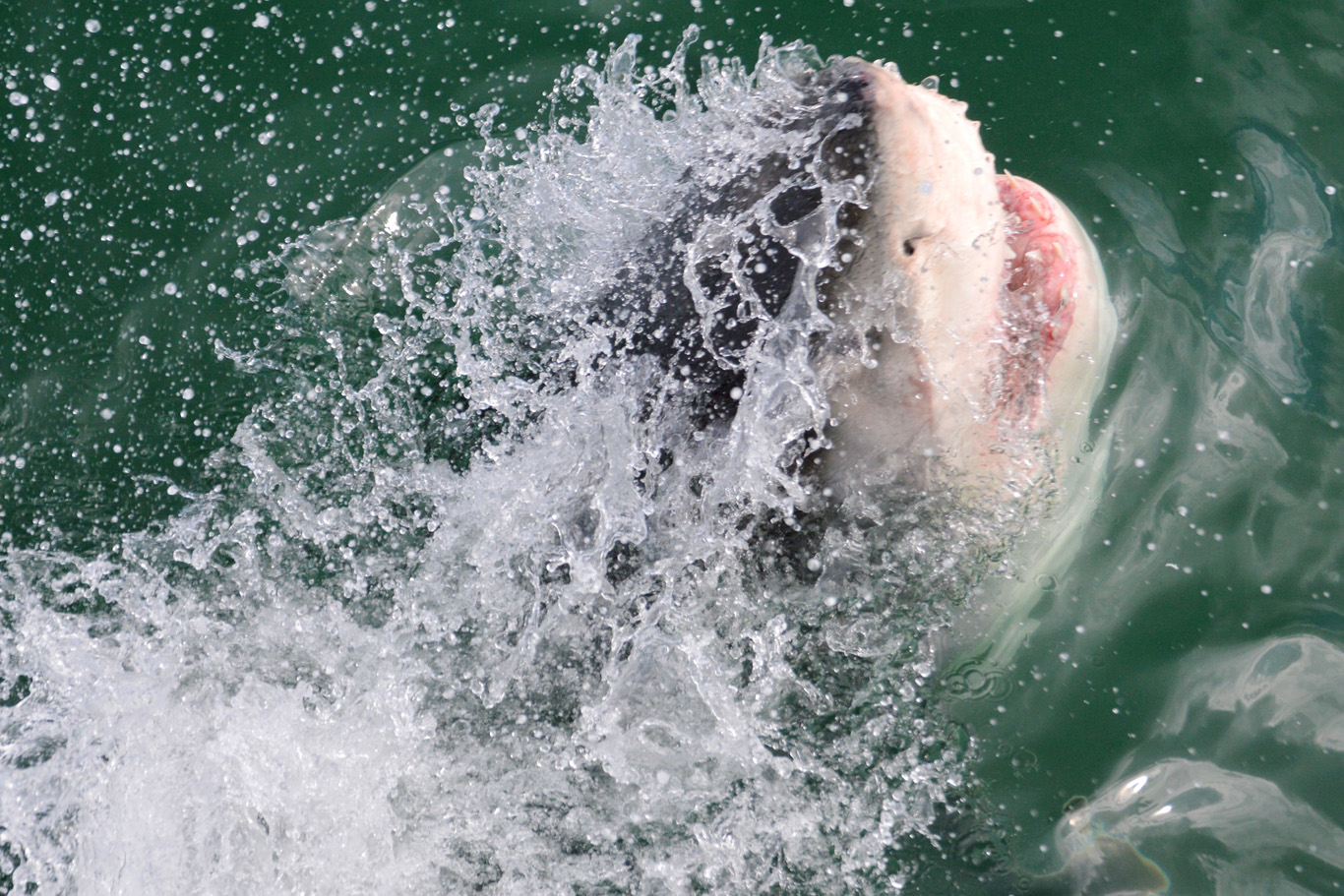
South Africa is definitely a destination for adventure lovers. After climbing the Lion's Head and the Table Mountain, enjoying safari in the Kruger Park and the bungee jump on the way to the Blyde River Canyon, there was one more thing we'd always wanted to do - shark cage diving. It sounds dangerous but anyway, we thought you have only one life and decided to go for it.
If, like us, before we did it, you'd wonder if the shark diving is like in those professional videos on youtube where the whole cage is submerged and the sharks are swimming all around you - the answer is no. In order not to be disillusioned, take a look at this post and I'll show you what it's really like.

Johannesburg, the biggest city in South Africa has its share of bad reputation and, comparing to the extremely famous and attractive Cape Town, receives relatively low numbers of tourists. We would have probably skipped it too if it hadn't been for the super cheap last-minute flights from Europe (500 EUR return!). Johannesburg is nothing like Cape Town (take a look at my post about it) - there's no beach, no mountains, no architecture that could stand out, it's a very new city (a bit over a century old) and only looks nice seen from afar. If you come closer, the filth, poverty and chaos prevail in the streets. On the other hand, Johannesburg is an interesting point in the turbulent, recent history. It's the city of gold and the birthday place of Nelson Mandela. And, what most of the visitors come here for - it's a great gateway to the beautiful wild game reserves, natural wonders and... Lesotho - the little, forgotten country completely surrounded by South Africa.

Featured Posts:
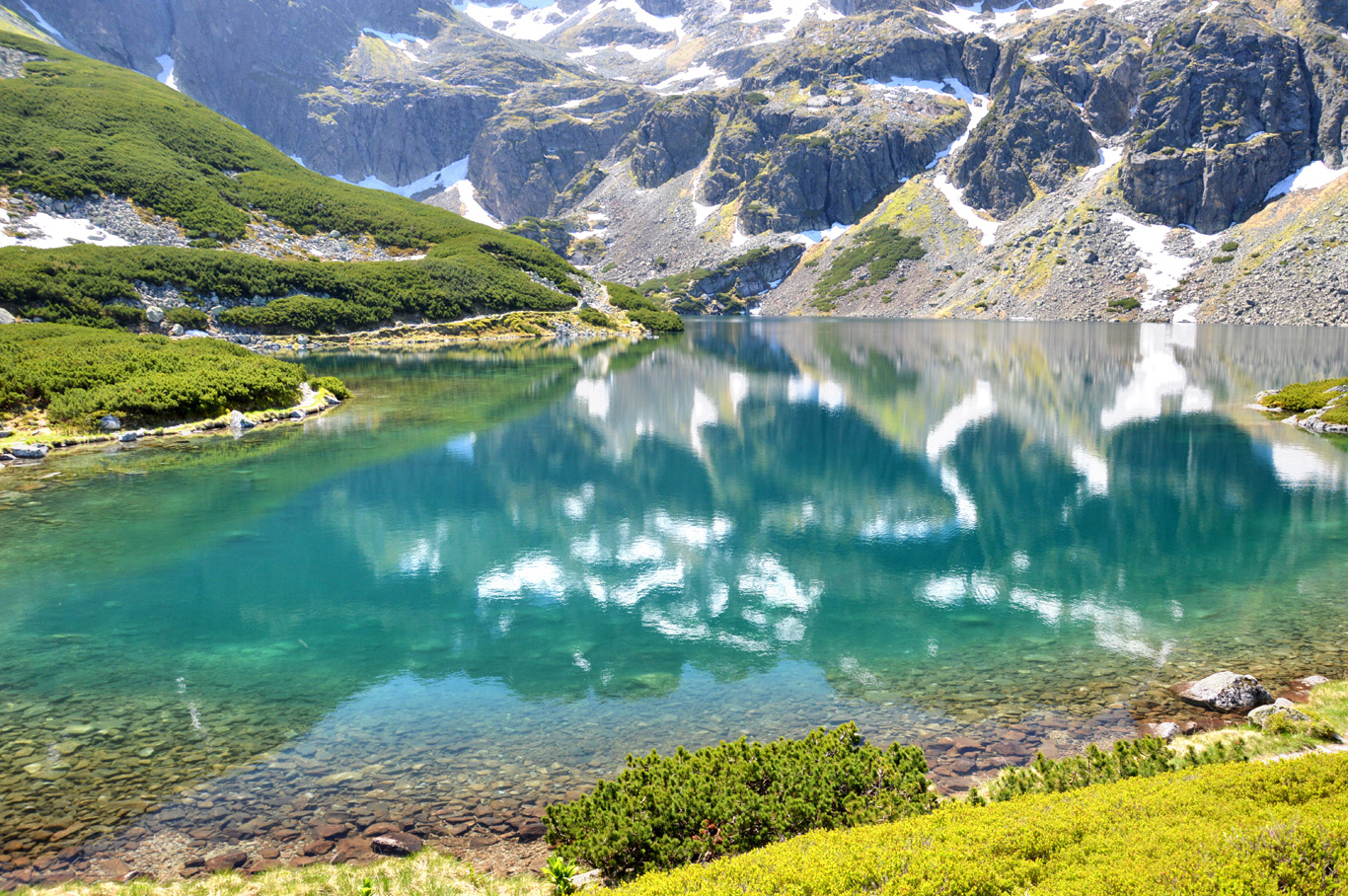
Many of the visitors coming to southern Poland and Krakow region end up in Zakopane - the little town located at the foot of the Tatra Mountains. Some hike (or take a horse cart ride) up the easy and quite boring trail to the most famous landmark in Polish mountains - Morskie Oko lake which is undoubtedly picturesque and beautiful, but so overcrowded that it can get really irritating.
In this post, I'll try to encourage you to leave Morskie Oko behind and venture into the real, wild beauty of the area. As usual, the most attractive and stunning views are awaiting those who are brave enough to take a risk and explore something beyond the beaten path. I've already described the trek to Dolina Pieciu Stawow which is way nicer than the one to Morskie Oko and now it's time to write about my favorite trail in the Tatras - to Swinica peak via the less known Dolina Gasienicowa (Gasienicowa Valley) and Zawrat saddle. This trail features not one but several crystal clear lakes of different shapes and colors, spectacular views - incomparable with those on the way to Morskie Oko and it's perfect for those who love adventure and adrenaline rush!

On the second day of the extraordinarily beautiful trek to Poon Hill, we left the cozy village of Ulleri at sunrise and headed uphill towards another village - Ghorepani. Ghorepani is located at the elevation of 2750 meters and it differs from other towns with the distinctive blue roofs and houses. It is also a gateway to the most important point of the trek - Poon Hill (around 3200 meters above sea level) which offers a spectacular, 360 degree view of the Annapurna range in the Himalayas. Especially stunning in March/April when all the wild rhododendrons blossom and cover the mountainous valleys in bright red colors.

Lake Kaindy in southern Kazakhstan is one of the newest and most unique natural wonders on our planet. Although literally unknown in the West, if it was located in any European country, it would be its best tourist attraction. Especially beautiful in the fall (autumn), Lake Kaindy boasts not only exceptionally attractive blue color of water and snowy rocky mountains surrounding it but also the unique, silver trunks of dead spruce sticking out of the lake's surface. The "flooded forest" is indeed one of the natural landmarks of Kazakhstan. It all creates a fairy-tale like scenery, not seen anywhere else.
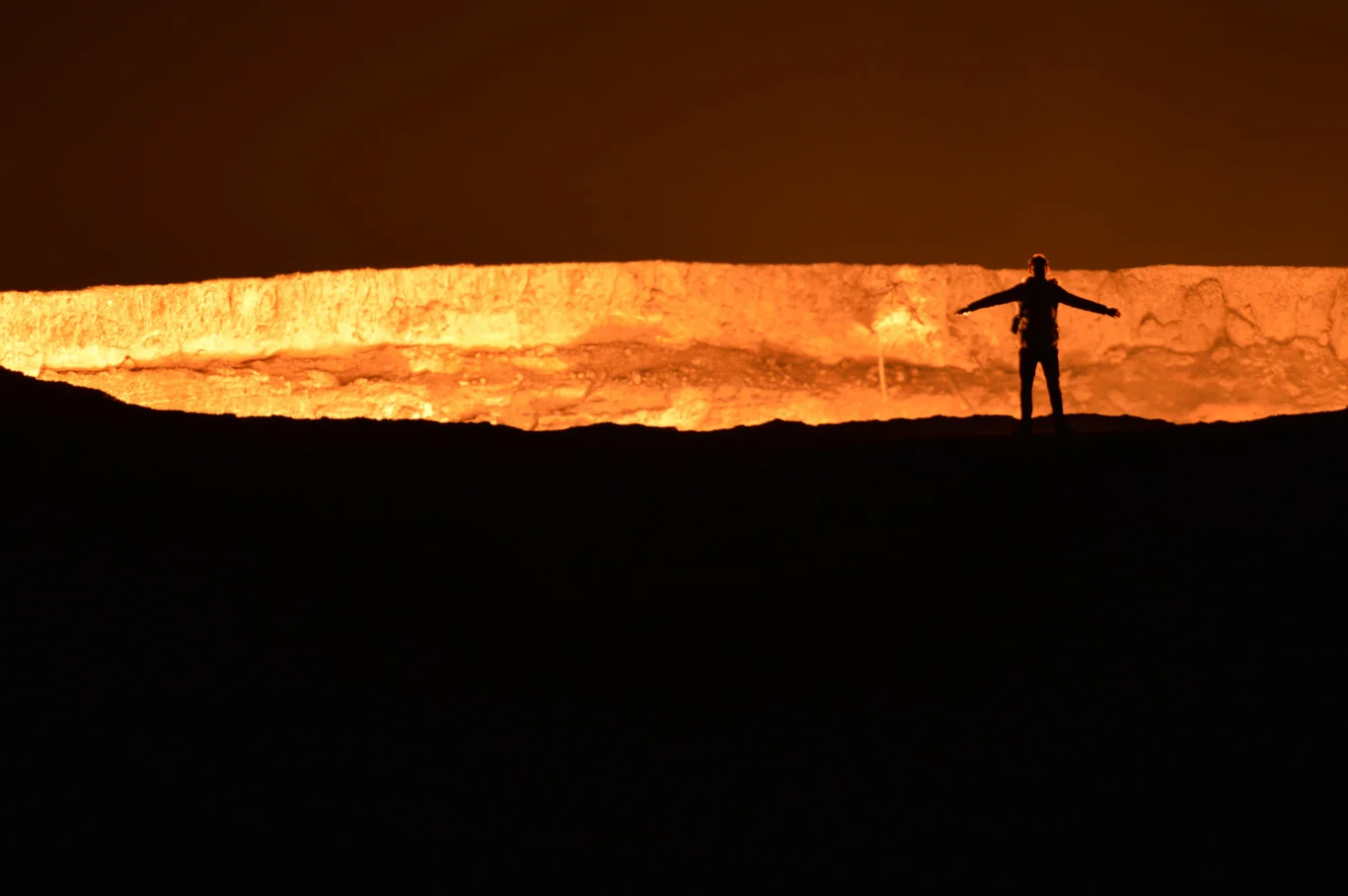
You might have seen photos of the gargantuan hole in the middle of the desert spewing out flames and a beam of light out of its core high up into the night sky while watching National Geographic or some documentary on the weirdest places on Earth. Although the Darvaza Crater has got quite large exposure in the media, it still remains very rarely visited by ordinary tourists. Central Asia is an extremely interesting place both naturally and historically. However, travelers almost always skip it choosing the popular beaches in Southeast Asia. Come to Darvaza and you'll feel as if you were teleported to Mars - it's a unique, outlandish and eerie experience that cannot be compared to anything else you've seen before.

While watching one of the Hollywood apocalyptic films or playing computer games - have you ever thought that a real ghost town is closer than you think? It is actually located in the center of Europe - in Ukraine. 110 kilometers (70 miles) from the country's capital - Kiev, very close to the border with Belarus. A visit to Pripyat is an extraordinary experience - something you most probably have never seen and will never see. It is completely different from the usual sight seeing tours. In this post I am presenting a gallery of photos of this ghost town literally abandoned overnight thirty years ago.
Most Popular Posts:

2015 was a year full of adventure, surprises and amazing opportunities to discover even more of great and off the beaten path places. Just like a year ago, based on my own experience (I've been to all the countries described below), I'd like to present my list of destinations to visit in 2016 (click here to see the post from 2015). As usual, it will be different than most of such lists released by meainstream travel magazines. Instead of repeating all the well known places, I'd like you to get inspired and explore new adventurous and exciting spots. It has probably never even come to your mind that you could visit some of them and you'll surely get shocked when you learn where those amazing wonders actually are located!

The Shipwreck Beach (also called Navagio) on the Greek island - Zakynthos is the most beautiful beach I have seen. It's claimed to be the most beautiful - and I agree. After visiting numerous beaches in other, also way more exotic destinations (like Brazil, Thailand, Italy, Mauritius, Georgia, India, Croatia, Albania, Spain, Portugal), I have yet to discover a place that would enchant me as much as Navagio Beach. But there is a flaw in this perfection. The beach is indeed the most beautiful in the world, granted that it's viewed from the edge of the cliff that surrounds it. Looked at from the sea level, it looses its charm. However, most of the tour agencies offering a trip to the beach arrive there by boat and in this case you will not see it as it is on the postcards or leaflets - from above. It's also impossible to climb the steep rocky cliff from the beach. So what's the solution if you want to admire the famous view from the top?

One of the most important religious sites in Myanmar, seemingly defying the law of gravity - Golden Rock Temple (Kyaiktio or Kyaikhteeyoe Pagoda), although quite famous, is surprisingly not as touristy as the other destinations in the country - Bagan, Mandalay or Yangon. There are good and bad sides to it. The good thing is that the authenticity of the place is still preserved (unlike the temples in Thailand) and you'll see many more locals than foreigners around. The bad thing - to get there without an expensive, privately run tour or a taxi is pretty complicated, the bus schedules are not clear and the level of English among the Burmese is very low. And... to be honest, the site is one of those that look absolutely spectacular in the photos, a bit less so in real life. Having said that, the whole journey was a great adventure, definitely worth the effort and it left some priceless memories in my mind.
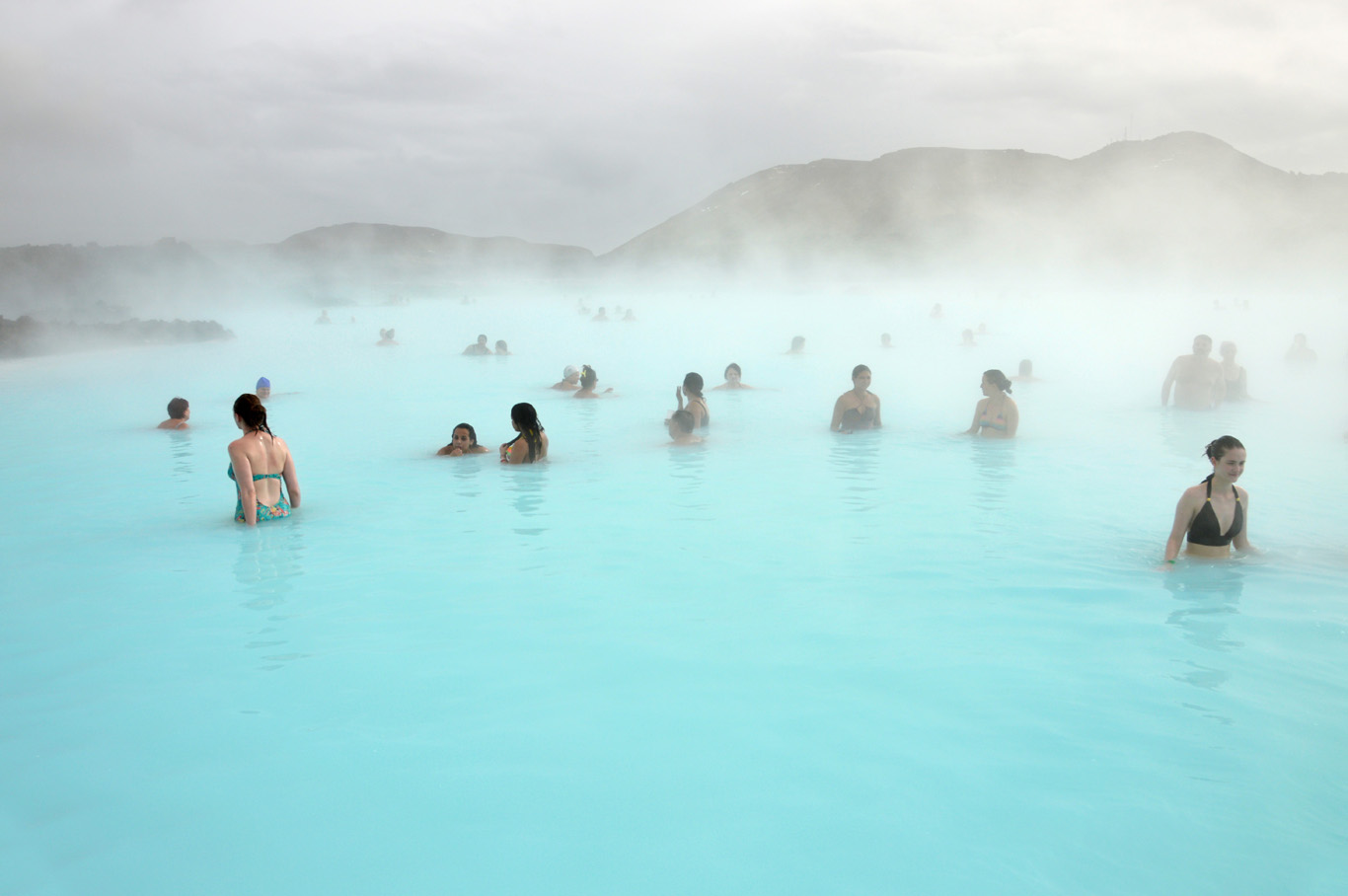
It might be a bit strange to see a post about a spa on a blog that describes mainly an active way of traveling and discovering some forgotten and unknown places where few even think of visiting. But Blue Lagoon in Iceland is different. It's an amazing proof how human engineering and nature can cooperate perfectly. It's not an ordinary, boring spa with swimming pools and massages. The Blue Lagoon is one of those experiences that, I think, everyone should try at least once in life. Especially after exploring some of the marvelous sites of Iceland - an outlandish island on the periphery of Europe.

The very south corner of Albania - the country which is still a black spot on the touristic map of Europe offers, in my opinion, the best beaches in the entire old continent: white sand, tropical color of the clearest possible seas, the exoticism of the area and most friendly locals. Most of the very few individual foreign tourists who get to the beach village of Ksamil arrive by ferry from the neighboring, overcrowded by tourists Greek island - Corfu. I followed the same route. And, I really thought that Corfu is amazing until I set foot in Albania's shore. My jaw literally dropped. I immediately felt as if I was transferred to one of the tropical, paradise-like postcard spots. It's a mystery to me how this exceptionally beautiful piece of land lacks any recognition among foreigners. But maybe it's better this way!
Blyde River Canyon is the most spectacular canyon in South Africa. Despite this fact, we hadn't initially planned to visit it. However, it turned out that the canyon is located on the way to the Kruger National Park so we thought: great! We could have a chance to see it. But it ended with hope only, because the nature played a prank on us and when we arrived we saw nothing but endless whiteness of the immensely thick fog. Nevertheless, this trip held a few more surprises and we didn't regret visiting the Blyde River region at all.